

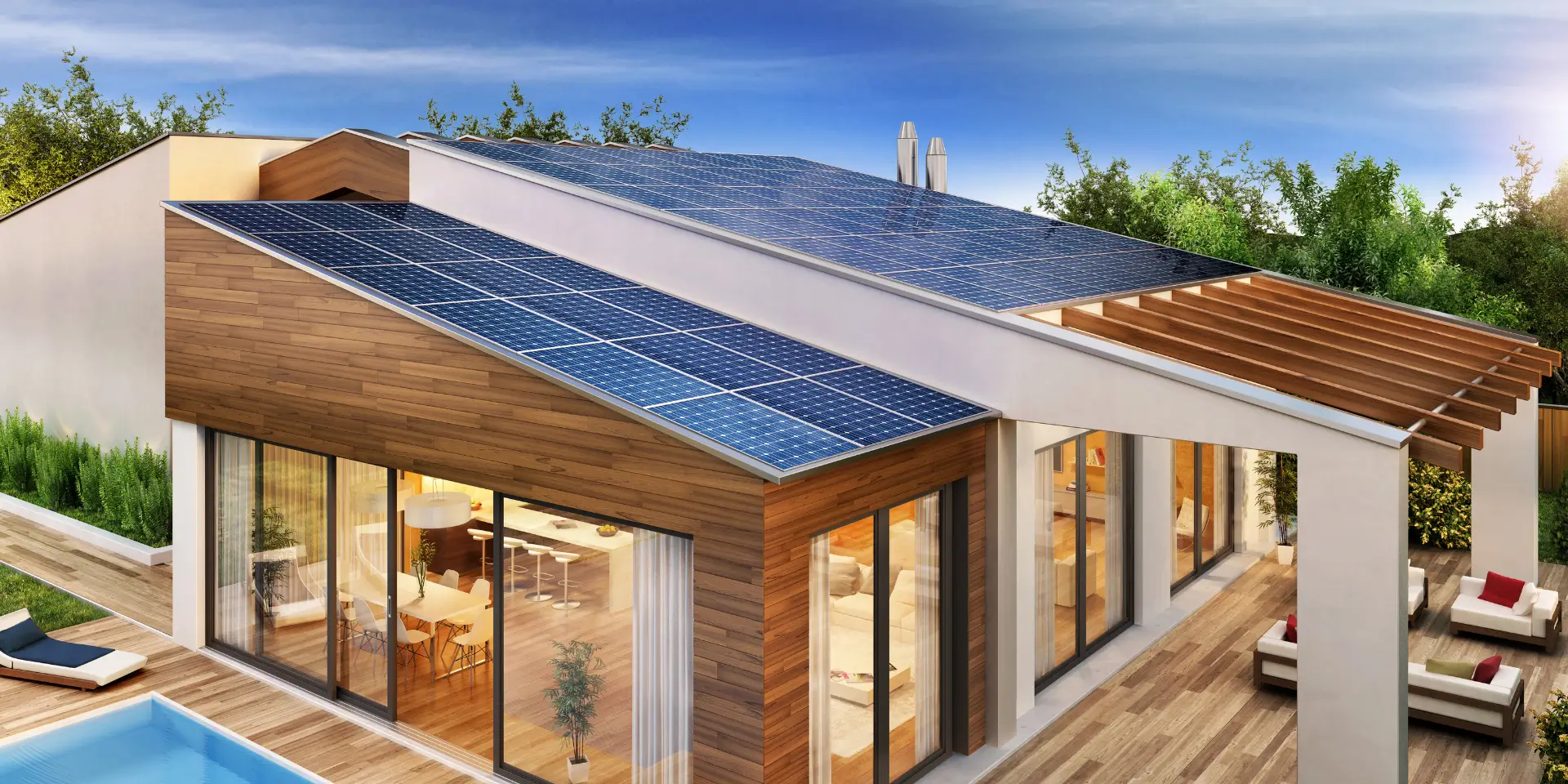
Modern California architecture has become one of the most influential residential design styles in the country. In Los Angeles and other high-end Southern California markets, homeowners are increasingly drawn to homes that feel open, warm, functional, and connected to the outdoors.
Rather than relying on excessive ornamentation or overly formal layouts, today’s California homes emphasize clean lines, natural materials, abundant light, and seamless indoor-outdoor living.
In this article, we explore why modern California architecture continues to dominate today’s homes and how thoughtful design choices create spaces that feel timeless, livable, and distinctly suited to the Southern California lifestyle.
What Is Modern California Architecture?
Modern California architecture is a design approach shaped by climate, lifestyle, and landscape. It combines contemporary forms with warm, natural elements to create homes that feel both refined and relaxed.
While every project is different, this style often includes:
- clean architectural lines
- open floor plans
- large expanses of glass
- natural wood, stone, and concrete
- indoor-outdoor transitions
- neutral, earthy color palettes
- an emphasis on light, air, and spatial flow
The result is a home that feels modern without feeling cold.
Why Clean Lines Define the Style
One of the most recognizable features of modern California architecture is its simplicity.
Clean lines create visual clarity. They reduce distraction, make spaces feel larger, and allow proportions, materials, and light to take center stage. Instead of complicated rooflines, ornate trim, or heavy detailing, modern homes often rely on strong horizontal and vertical forms to create elegance through restraint.
This approach works particularly well in Los Angeles, where the surrounding landscape, views, and natural light become part of the design experience.
Clean-lined architecture also tends to age better visually. Because the design is less dependent on trend-driven decorative elements, it often remains relevant longer than more heavily stylized homes.
The Role of Natural Materials in Modern Homes
Natural materials are essential to what makes California architecture feel warm and inviting.
Without them, a minimalist home can feel flat or overly stark. With them, the same home feels grounded, textured, and connected to its environment.
Common materials used in modern California homes include:
- natural stone
- white oak and other warm woods
- smooth stucco
- architectural concrete
- steel accents
- clay or porcelain finishes with organic texture
These materials help soften modern forms while bringing depth and authenticity to the design.
They also align with the California preference for homes that feel relaxed rather than overly formal. A limestone wall, wood ceiling detail, or textured plaster finish adds character without disrupting the clean overall composition.
Indoor-Outdoor Living Is Central to the Design
California architecture is inseparable from the way people live in Southern California.
With mild weather, long outdoor seasons, and a strong connection to entertaining at home, modern California homes are often designed to dissolve the line between interior and exterior spaces.
This is achieved through features such as:
- sliding or pocket glass doors
- covered patios and outdoor lounges
- continuous flooring transitions
- large openings facing courtyards, terraces, or pools
- strategically placed windows for light and ventilation
The goal is not simply to add outdoor space, but to make outdoor living feel like a natural extension of the home itself.
This is one reason the style remains so desirable in Los Angeles. It supports a lifestyle centered around openness, flexibility, and connection to the environment.
Why Light Matters So Much in California Design
Natural light is one of the defining elements of modern California homes.
Architects design these homes to maximize daylight throughout the day while controlling glare and heat exposure. This creates bright, comfortable interiors that feel calm and expansive.
Light shapes the experience of every material in the home. Stone looks richer, wood feels warmer, and open spaces feel more dynamic when daylight moves across them.
In many cases, modern California architecture uses light as a design material in its own right. Clerestory windows, skylights, large picture windows, and open sightlines all contribute to this effect.
Well-designed natural light also supports wellbeing, making spaces feel more uplifting and livable over time.
Open Layouts Support How People Live Today
Modern California homes typically prioritize spatial flow over rigid room divisions.
Instead of separating living, dining, and kitchen areas into formal enclosed rooms, the design often allows these spaces to work together more seamlessly. This creates homes that feel more social, more adaptable, and better suited to everyday living.
Open layouts are especially valuable for:
- entertaining guests
- family interaction
- flexible use of space
- stronger sightlines to outdoor areas
- improved circulation and light distribution
At the same time, good design still provides moments of privacy. The best modern homes balance openness with thoughtful zoning, so private suites, offices, and quiet retreats remain distinct from shared living spaces.
Why This Style Works So Well in Los Angeles
Los Angeles is one of the ideal environments for modern California architecture because the design language responds directly to local conditions.
It works well here because it reflects:
- the climate
- the culture of indoor-outdoor living
- the demand for privacy and openness at the same time
- the value of natural light and views
- the desire for modern luxury that feels livable
Whether on a flat lot, an infill property, or a hillside site, this style adapts well to different conditions while maintaining a strong architectural identity.
For luxury homeowners, it also offers a balance that is difficult to achieve in more traditional styles. It feels elevated without being stiff, and design-forward without losing comfort.
Material Restraint Creates Timelessness
A major reason modern California architecture continues to dominate is that it often feels more timeless than trend-heavy design.
Homes with too many competing finishes, decorative gestures, or fashionable details can begin to feel dated quickly. By contrast, restrained material palettes and well-composed forms tend to remain visually relevant much longer.
That does not mean these homes are plain. It means every detail matters more.
When a design uses fewer materials, proportions, craftsmanship, transitions, and textures become even more important. This creates homes that feel intentional and sophisticated rather than excessive.
Timelessness is one of the most valuable qualities in residential architecture, especially for high-end homes intended to perform well for years to come.
The Importance of Execution
Modern architecture may look simple, but it is often more demanding to build well.
Clean lines and minimalist forms leave less room to hide imperfections. Material transitions must be precise. Window alignments, reveals, edge details, and structural coordination all need to be executed carefully for the design to succeed.
That is why modern California homes require strong collaboration between the architect, builder, engineers, and interior team.
The success of the finished home depends not just on the concept, but on disciplined execution throughout the construction process.
Final Thoughts
Modern California architecture continues to dominate today’s homes because it aligns with how people want to live. It values openness, light, simplicity, natural materials, and a stronger connection between the home and its surroundings.
In Los Angeles, this design approach feels especially relevant. It responds to the climate, complements the landscape, and creates homes that feel both luxurious and livable.
When designed and built well, modern California homes do more than follow a trend. They offer a timeless architectural language that blends beauty, function, and everyday comfort.
FAQs
What defines modern California architecture?
Modern California architecture is defined by clean lines, open layouts, natural materials, large windows, and strong indoor-outdoor connections designed to suit the Southern California lifestyle.
Why are natural materials important in modern homes?
Natural materials such as wood, stone, and concrete add warmth, texture, and authenticity, helping modern homes feel more inviting and grounded.
Why do clean lines matter in architecture?
Clean lines create visual clarity, improve spatial flow, and give homes a timeless appearance by reducing unnecessary ornamentation.
Is modern California architecture only for luxury homes?
No. While it is common in luxury residential design, the principles of natural light, clean forms, and functional indoor-outdoor living can apply to many types of homes.
Why is this style so popular in Los Angeles?
It is popular in Los Angeles because it responds well to the local climate, maximizes natural light, supports indoor-outdoor living, and complements modern lifestyles.