

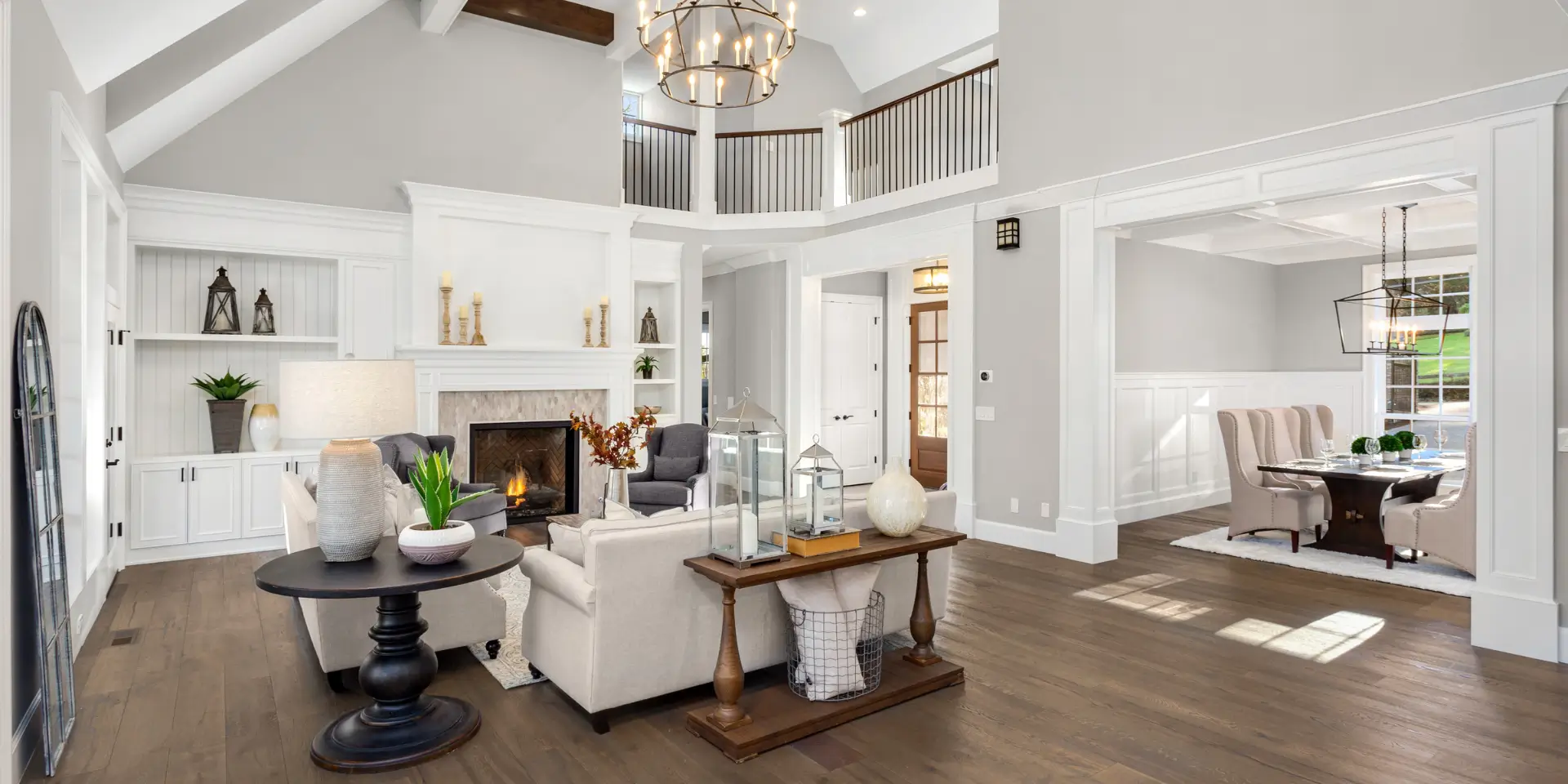
In modern residential architecture, ceiling height and spatial volume play a major role in shaping how a home feels and functions. While square footage often receives the most attention, the vertical dimension of a space can have just as much impact on comfort, aesthetics, and overall design quality.
Architects increasingly focus on spatial volume—the three-dimensional experience of a room—rather than simply the floor area. Higher ceilings, open vertical spaces, and carefully designed proportions can make interiors feel more expansive, brighter, and more architecturally refined.
In luxury residential construction, particularly in markets like Los Angeles, thoughtful ceiling design has become a defining feature of contemporary homes.
Understanding Spatial Volume in Architecture
Spatial volume refers to the total three-dimensional space within a room. Instead of evaluating a room only by its width and length, architects also consider height and vertical openness.
A room with generous ceiling height often feels significantly larger than a room with the same floor dimensions but a lower ceiling.
Architects use vertical space to enhance:
- natural light distribution
- visual openness
- architectural character
- airflow and comfort
By designing spaces with balanced proportions, architects can create interiors that feel more inviting and dynamic.
The Psychological Impact of Ceiling Height
Ceiling height can influence how people experience a room on an emotional level.
Higher ceilings often create a sense of openness and freedom, making spaces feel more relaxing and expansive. Lower ceilings, on the other hand, can create a feeling of intimacy and enclosure.
Architects use these psychological effects intentionally when designing homes.
For example:
- living rooms and great rooms often feature higher ceilings to create openness
- bedrooms may have slightly lower ceilings to create a cozy atmosphere
- entry spaces may include double-height volumes to create a dramatic first impression
This thoughtful variation in ceiling height helps define how different spaces function within the home.
Natural Light and Ceiling Height
Ceiling height has a direct impact on how natural light enters and spreads throughout a home.
Higher ceilings allow architects to introduce larger windows, clerestory windows, or skylights that bring daylight deeper into interior spaces.
These strategies help create:
- brighter interiors
- reduced dependence on artificial lighting
- stronger connections between interior spaces and outdoor views
In hillside homes, elevated ceilings also allow for large glass openings that capture panoramic views of the surrounding landscape.
Architectural Drama and Visual Interest
Modern architecture often uses vertical space to create visual impact.
Double-height ceilings, vaulted spaces, and open staircases can create dramatic architectural moments that define the character of the home.
Common design approaches include:
- double-height living rooms
- vaulted ceilings with exposed beams
- open staircases connecting multiple levels
- large window walls that emphasize vertical space
These features give modern homes a sense of scale that feels both luxurious and architecturally refined.
Airflow and Environmental Comfort
Higher ceilings can also improve environmental comfort inside the home.
Warm air naturally rises, and greater vertical space allows heat to disperse more effectively. This can help regulate indoor temperatures and improve overall air circulation.
In climates such as Southern California, where natural ventilation plays an important role in residential comfort, taller spaces can enhance airflow throughout the home.
Architects often combine higher ceilings with large windows and indoor-outdoor openings to create naturally ventilated environments.
Structural Considerations for High Ceilings
While higher ceilings can enhance a home’s design, they also require careful structural planning.
Structural engineers must ensure that framing systems, beams, and load-bearing elements can safely support the larger open spans associated with tall interior spaces.
Design considerations may include:
- larger structural beams
- reinforced framing systems
- specialized roof structures
- integration with mechanical and lighting systems
These technical considerations ensure that the architectural vision can be achieved safely and efficiently.
Balancing Ceiling Height with Energy Efficiency
Although higher ceilings offer many design benefits, architects must also consider energy efficiency.
Larger volumes of space can require more energy to heat or cool if not designed carefully.
Modern homes address this challenge through strategies such as:
- high-performance insulation
- energy-efficient glazing systems
- smart HVAC design
- ceiling fans that improve air circulation
With thoughtful planning, homes can maintain both architectural openness and energy efficiency.
Ceiling Height as a Design Signature
In luxury residential architecture, ceiling height often becomes a defining feature of the home’s identity.
Architects may design spaces with varying ceiling heights to create rhythm and hierarchy throughout the home.
For example:
- dramatic double-height entryways
- open great rooms with expansive ceilings
- intimate secondary spaces with lower ceilings
This variation creates a dynamic architectural experience that guides how residents move through and interact with the home.
Final Thoughts
Ceiling height and spatial volume play a fundamental role in shaping the experience of modern homes. By thoughtfully designing vertical space, architects can create interiors that feel brighter, more open, and more architecturally engaging.
From improving natural light to enhancing comfort and visual impact, ceiling design is an essential part of contemporary residential architecture.
When combined with strong structural planning and thoughtful proportions, spatial volume helps transform a house into a truly remarkable living environment.
FAQs
Why do modern homes have higher ceilings?
Higher ceilings create a sense of openness, allow more natural light, and enhance the architectural character of interior spaces.
What is spatial volume in architecture?
Spatial volume refers to the total three-dimensional space within a room, including width, length, and height.
Are higher ceilings better for natural light?
Yes. Higher ceilings allow architects to incorporate larger windows and skylights that distribute natural light more effectively.
Do higher ceilings affect energy efficiency?
Higher ceilings can increase the volume of air that must be heated or cooled, but modern insulation and HVAC systems help maintain efficiency.
Are high ceilings common in luxury homes?
Yes. Many luxury homes feature vaulted or double-height ceilings to create dramatic architectural spaces.