

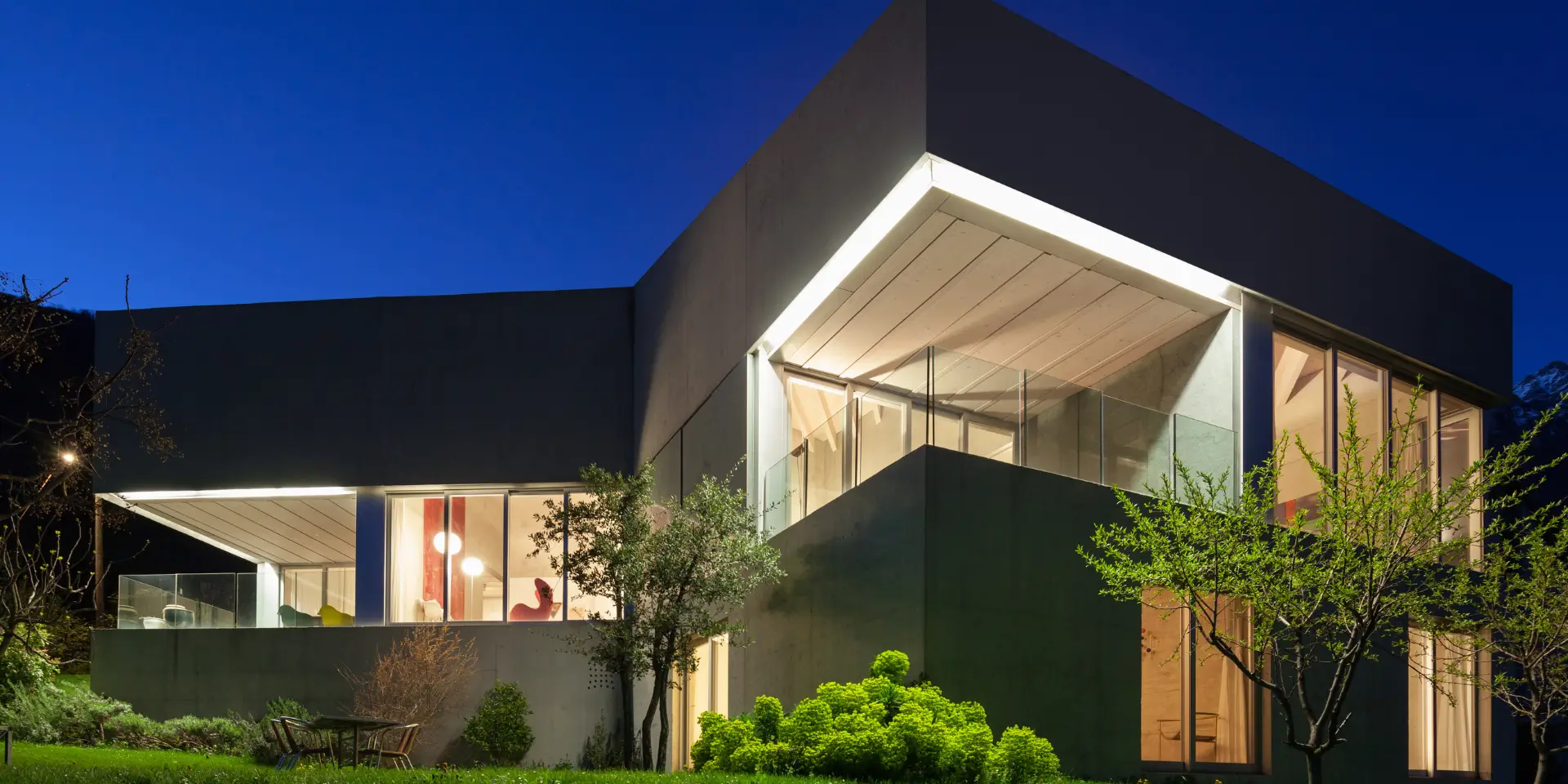
Modern residential construction has evolved significantly as new building materials and technologies continue to reshape how homes are designed and built. Advanced materials are helping architects, engineers, and builders create homes that are stronger, more durable, and more energy efficient than ever before.
These materials also allow for greater design flexibility, enabling contemporary homes to feature larger open spaces, expansive glass walls, and innovative structural forms.
In cities like Los Angeles, where modern architecture and hillside construction are common, advanced building materials play an important role in achieving both structural performance and architectural vision.
What Are Advanced Construction Materials?
Advanced construction materials are building products developed to improve the performance, durability, and efficiency of structures. These materials often incorporate new technologies or engineered compositions that enhance traditional building methods.
They may offer advantages such as:
- increased structural strength
- improved resistance to weather and moisture
- better energy performance
- reduced environmental impact
- enhanced design flexibility
By integrating these materials into residential construction, builders can achieve higher levels of performance and longevity.
Engineered Wood Products
Engineered wood products are widely used in modern residential construction because they offer greater consistency and strength compared to traditional lumber.
These materials are manufactured by bonding layers of wood fibers or veneers together, creating products that are strong, stable, and resistant to warping.
Common engineered wood products include:
- laminated veneer lumber (LVL)
- glued laminated timber (glulam)
- cross-laminated timber (CLT)
- engineered floor joists
These materials allow architects to design larger open spans and more complex structural layouts while maintaining structural reliability.
High-Performance Concrete
Concrete remains one of the most widely used building materials, but modern formulations have significantly improved its performance.
Advanced concrete technologies provide greater strength, durability, and resistance to environmental stress.
In residential construction, high-performance concrete is often used for:
- foundations and structural walls
- retaining walls for hillside homes
- architectural concrete surfaces
- outdoor terraces and structural elements
These materials allow builders to create structures that can withstand heavy loads and challenging site conditions.
Structural Steel Components
Steel is frequently used in modern residential architecture to support large spans and dramatic architectural forms.
Because steel has a high strength-to-weight ratio, it can support structural loads while allowing for more open interior spaces.
Steel framing and beams are often used in homes that feature:
- large glass walls
- cantilevered structures
- open floor plans
- multi-level hillside construction
When combined with other materials such as concrete and engineered wood, steel helps create durable and flexible structural systems.
Advanced Insulation Materials
Energy efficiency is an important goal in modern residential construction, and advanced insulation materials play a key role in achieving it.
Improved insulation technologies help regulate indoor temperatures and reduce energy consumption.
Common high-performance insulation options include:
- spray foam insulation
- rigid foam board insulation
- mineral wool insulation
- structural insulated panels (SIPs)
These materials improve thermal performance while also helping reduce air infiltration.
High-Performance Glass Systems
Glass has become a defining feature of modern residential architecture.
Large windows and glass walls allow natural light to enter interior spaces while creating strong visual connections to outdoor environments.
Advanced glazing systems now offer improved performance through features such as:
- double or triple glazing
- low-emissivity (Low-E) coatings
- insulated glass units
- laminated safety glass
These technologies allow homes to incorporate expansive glass surfaces while maintaining energy efficiency and comfort.
Composite and Weather-Resistant Materials
Exterior materials must withstand exposure to weather, temperature changes, and environmental conditions.
Advanced composite materials offer improved durability compared to traditional wood or metal products.
These materials are often used for:
- exterior siding systems
- decking materials
- window frames
- architectural panels
Composite materials are designed to resist moisture, corrosion, and UV exposure, helping maintain the appearance and performance of the home over time.
Sustainable and Environmentally Friendly Materials
Sustainability has become an important consideration in modern home construction.
Many advanced building materials are designed to reduce environmental impact through improved efficiency and responsible sourcing.
Examples include:
- recycled building materials
- sustainably harvested wood products
- low-emission construction materials
- energy-efficient building systems
These materials help reduce the environmental footprint of residential construction while maintaining high performance.
Combining Materials for Modern Design
Modern homes often use a combination of advanced materials to achieve both structural strength and architectural expression.
Architects frequently combine elements such as steel, glass, concrete, and engineered wood to create visually striking designs.
This integration allows homes to feature:
- open interior spaces
- dramatic architectural forms
- durable structural systems
- energy-efficient building envelopes
When carefully coordinated, these materials allow modern homes to balance beauty, durability, and performance.
Final Thoughts
Advanced building materials are transforming residential construction by allowing architects and builders to create homes that are stronger, more efficient, and more adaptable to modern lifestyles.
From engineered wood and structural steel to high-performance insulation and glass systems, these materials support innovative architectural designs while improving long-term durability.
As technology continues to evolve, advanced materials will remain an essential part of modern home construction, helping shape the next generation of residential architecture.
FAQs
What are advanced materials in construction?
Advanced construction materials are building products designed to improve strength, durability, energy efficiency, and overall building performance.
Why are engineered wood products used in modern homes?
Engineered wood products provide greater strength and consistency than traditional lumber, allowing architects to create larger open spaces.
How does high-performance glass improve homes?
Modern glass systems provide natural light while improving insulation and energy efficiency.
Are advanced materials more sustainable?
Many advanced materials are designed to reduce environmental impact through energy efficiency and responsible manufacturing.
Do advanced materials make homes more durable?
Yes. Many modern building materials are engineered to resist weather, moisture, and structural stress more effectively than traditional materials.