

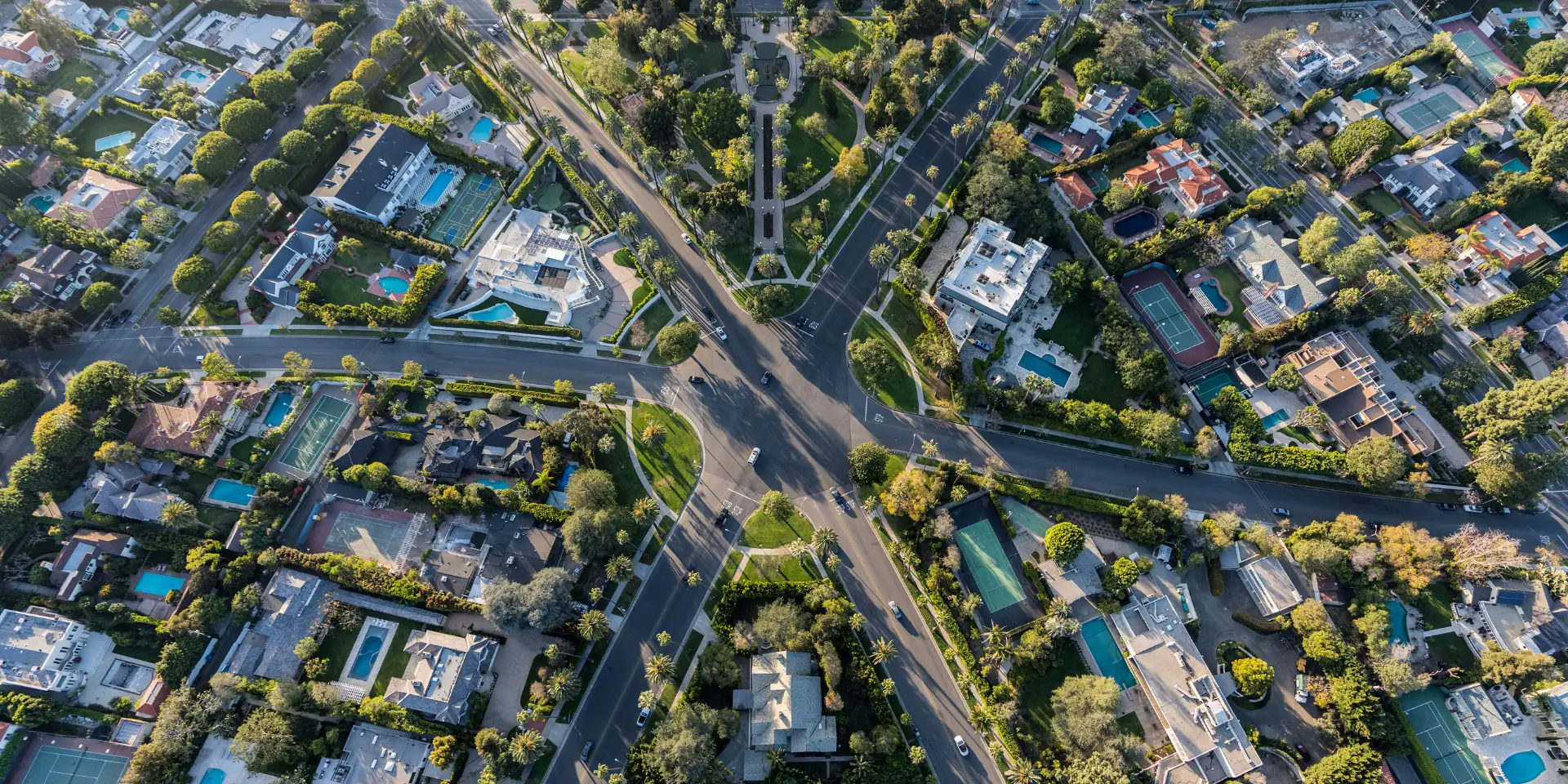
Designing luxury homes in Los Angeles presents a unique architectural challenge: how to capture sweeping views while maintaining privacy in densely developed neighborhoods. Many hillside communities and urban residential areas offer stunning vistas, but nearby homes and limited lot sizes require thoughtful design strategies.
Modern residential architecture addresses this challenge by combining intelligent spatial planning, advanced building materials, and landscape integration. By carefully balancing openness and privacy, architects can create homes that feel expansive while still offering a sense of seclusion and comfort.
In high-demand neighborhoods throughout Los Angeles, this balance has become a defining feature of contemporary luxury home design.
The Challenge of Density in Urban Neighborhoods
Many desirable residential areas in Los Angeles feature compact lots and close proximity between homes. While these locations offer access to city amenities and panoramic views, they also create potential privacy concerns.
Without careful design, large windows and open layouts could expose interior spaces to neighboring properties.
Architects therefore consider several key factors when designing luxury homes in dense areas:
- orientation of neighboring homes
- elevation differences between properties
- street visibility
- sightlines from adjacent buildings
- opportunities for landscape screening
By studying these elements, architects can position spaces and openings strategically.
Strategic Window Placement
Large windows are a hallmark of modern luxury homes, but their placement must be carefully planned in dense neighborhoods.
Architects often orient major windows toward views rather than neighboring properties. For example, living areas may feature large glass openings facing hillsides, city skylines, or ocean views while maintaining more controlled openings on the sides of the home.
Design strategies may include:
- floor-to-ceiling windows facing view corridors
- clerestory windows that admit light without compromising privacy
- recessed windows that limit direct sightlines from outside
This careful placement allows homes to remain open and bright while preserving privacy.
Courtyards and Interior Outdoor Spaces
Courtyard design is another powerful tool for balancing openness and privacy.
By creating outdoor spaces within the footprint of the home, architects allow residents to enjoy natural light, fresh air, and outdoor living without exposing these spaces to surrounding properties.
Courtyards often function as:
- private garden areas
- outdoor dining spaces
- relaxation areas connected to living rooms
- light wells that bring daylight into the interior
These enclosed outdoor spaces allow homes to feel open while maintaining seclusion.
Layered Landscaping for Privacy
Landscape design plays an important role in protecting privacy.
Trees, hedges, and carefully positioned planting areas can act as natural screens between neighboring homes.
Common landscaping strategies include:
- tall hedges along property lines
- layered planting beds that block sightlines
- vertical garden walls
- strategic placement of trees near windows
These elements soften the architecture while helping create a more private living environment.
Architectural Screens and Facades
Modern architecture often incorporates architectural screens or façade elements that provide privacy without sacrificing light.
These design features may include:
- perforated metal screens
- wood slat walls
- decorative concrete panels
- movable shading systems
Architectural screens allow natural light and airflow while limiting direct visibility from outside.
Elevated Living Spaces
In hillside neighborhoods, elevation differences between properties can be used to enhance privacy.
Architects may place primary living spaces on upper levels where views are unobstructed and neighboring homes are less visible.
Upper-level living areas may include:
- great rooms with panoramic windows
- elevated terraces or decks
- rooftop outdoor spaces
This vertical arrangement helps maximize views while maintaining separation from nearby structures.
Glass Technology and Privacy
Modern glazing technology allows architects to use large glass surfaces while maintaining privacy and comfort.
Advanced glass systems may include:
- low-reflectivity coatings
- tinted glass panels
- laminated privacy glass
- automated shading systems
These technologies help control visibility, sunlight, and indoor temperature.
Interior Layout and Spatial Zoning
Privacy is also achieved through thoughtful interior planning.
Homes often separate public entertaining areas from private spaces such as bedrooms and home offices.
This spatial zoning may include:
- social spaces positioned toward views
- bedrooms located in quieter parts of the home
- private terraces connected to bedroom suites
Such layouts allow the home to function both as a social gathering place and a personal retreat.
Balancing Openness and Seclusion
The most successful luxury homes achieve a delicate balance between openness and seclusion.
By combining architectural planning, landscaping, and advanced materials, designers can create homes that feel expansive while protecting personal privacy.
This balance allows homeowners to enjoy panoramic views, natural light, and outdoor living without sacrificing comfort or security.
Final Thoughts
Designing luxury homes in dense Los Angeles neighborhoods requires careful consideration of both views and privacy. Through strategic window placement, interior courtyards, layered landscaping, and innovative architectural elements, architects can create homes that capture the beauty of their surroundings while maintaining a sense of refuge.
This thoughtful balance has become a defining feature of modern luxury residential architecture throughout the city.
FAQs
How do luxury homes maintain privacy in dense neighborhoods?
Architects use strategies such as strategic window placement, landscaping, courtyards, and architectural screens to protect privacy.
Why are courtyards used in luxury home design?
Courtyards provide private outdoor spaces that allow natural light and ventilation without exposing the home to neighboring properties.
Can large windows still provide privacy?
Yes. Modern glass technologies and thoughtful orientation allow homes to incorporate large windows while maintaining privacy.
How does landscaping improve privacy?
Trees, hedges, and layered planting areas help block sightlines between neighboring properties.
Are multi-level homes better for privacy?
Yes. Elevating living spaces can reduce visibility from nearby homes while maximizing views.