

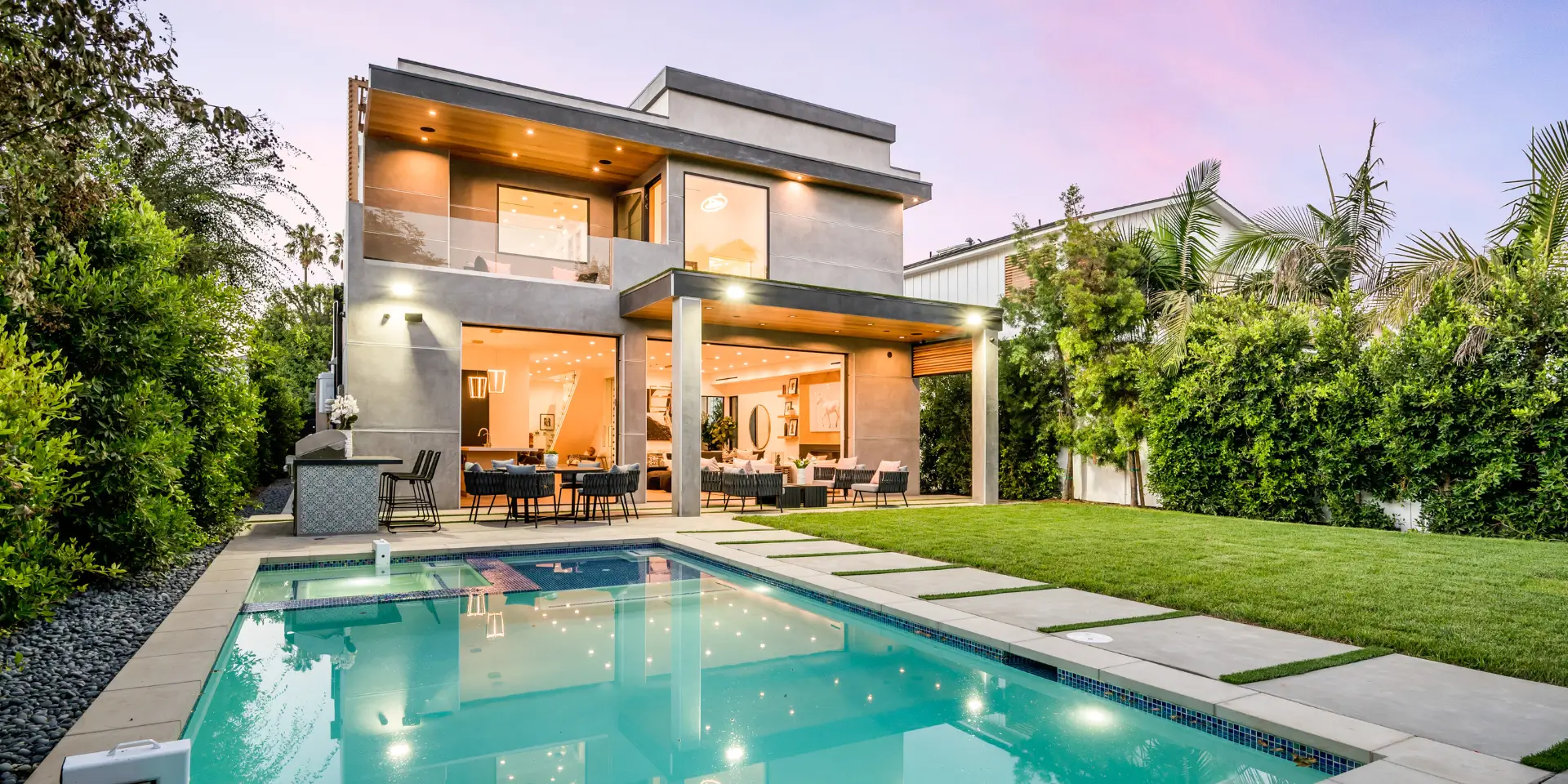
Modern residential architecture has evolved to reflect how people live, work, and relax within their homes. As lifestyles become more dynamic, homeowners increasingly seek spaces that support different activities without overlap or distraction.
One of the most effective design strategies for achieving this balance is multilevel living. By organizing a home vertically, architects can separate social areas, private spaces, and work environments while maintaining a cohesive architectural experience.
In cities such as Los Angeles—where hillside construction and modern architecture often intersect—multilevel homes offer an ideal solution for creating functional and flexible living environments.
What Is Multilevel Living?
Multilevel living refers to residential designs that distribute different functions of the home across multiple floors or split levels.
Rather than placing all rooms on a single floor, architects divide the home into zones that serve different purposes. Each level may support a distinct function such as entertainment, rest, or work.
This vertical organization helps reduce noise, improve privacy, and create more efficient use of space.
Typical zoning strategies include:
- social and entertaining areas
- work or office spaces
- private sleeping areas
- outdoor living levels
This structure allows the home to support multiple activities simultaneously.
Separating Social and Entertainment Spaces
The social areas of a home are typically designed for gathering, entertaining, and everyday living.
These spaces often include:
- living rooms
- dining areas
- kitchens
- family rooms
- outdoor entertainment terraces
Architects frequently position these spaces on the main living level of the home, often connected to outdoor areas or scenic views.
In multilevel homes, social areas can occupy an entire floor, allowing open layouts and large gathering spaces without interfering with quieter areas of the home.
Dedicated Workspaces in Modern Homes
Remote work has become an important part of modern life, making workspace design a critical component of residential architecture.
Multilevel homes allow architects to separate work areas from living spaces, reducing distractions and improving productivity.
Workspace strategies may include:
- private home offices on separate levels
- study rooms connected to libraries or quiet zones
- flexible workspaces that convert into guest rooms
Placing work areas on different floors helps create boundaries between professional and personal life.
Private Living Areas and Bedrooms
Bedrooms and private family spaces benefit from greater separation from the activity of social areas.
In multilevel homes, bedrooms are often positioned on upper or lower floors away from primary gathering spaces.
This design approach provides:
- increased privacy
- quieter sleeping environments
- separation from entertaining areas
- dedicated family retreats
Primary bedroom suites may also include private terraces, sitting areas, or spa-style bathrooms to enhance comfort.
Split-Level Design and Spatial Flow
Some modern homes use split-level layouts that create subtle transitions between areas of the home.
Rather than full floors separated by long staircases, split levels allow spaces to connect visually while still maintaining functional separation.
This approach creates a sense of openness while organizing the home into distinct zones.
Split-level transitions can help:
- define living areas without walls
- maintain visual connections between spaces
- improve circulation throughout the home
This design strategy is particularly effective for homes built on sloped or hillside properties.
Maximizing Views Through Vertical Design
Multilevel homes also allow architects to position key living spaces where views are strongest.
For example:
- upper floors may feature panoramic city or ocean views
- rooftop terraces can provide outdoor entertainment areas
- elevated living rooms can capture surrounding landscapes
By arranging spaces vertically, designers can maximize both functionality and environmental experience.
Improving Natural Light Distribution
Vertical home designs also create opportunities for improved natural lighting.
Architects often incorporate design features such as:
- open stairwells that allow light to travel between floors
- skylights positioned above circulation areas
- double-height spaces that connect multiple levels
These elements help distribute daylight throughout the home while creating visually dramatic architectural spaces.
Flexibility for Changing Lifestyles
Multilevel living also supports flexibility as household needs change over time.
Spaces designed for one purpose can evolve into new functions as family dynamics shift.
For example:
- a playroom may later become a study space
- a home office may convert into a guest suite
- entertainment areas may expand into outdoor terraces
This adaptability helps ensure the home remains functional for years to come.
Modern Architecture and Vertical Living
Contemporary architecture often embraces vertical design as a defining characteristic.
Clean lines, open staircases, and layered living spaces create visually engaging environments while supporting modern lifestyles.
Multilevel homes allow architects to combine architectural expression with practical living solutions.
This approach is particularly well suited for urban environments where maximizing space and views is essential.
Final Thoughts
Multilevel living has become a cornerstone of modern residential design. By organizing homes vertically, architects can create distinct zones for socializing, working, and relaxing while maintaining a cohesive architectural experience.
This approach not only improves functionality but also enhances privacy, comfort, and long-term flexibility.
As lifestyles continue to evolve, multilevel home design will remain an important strategy for creating living environments that support the way people live today.
FAQs
What is multilevel living in home design?
Multilevel living refers to organizing a home across multiple floors to separate different activities such as socializing, working, and sleeping.
Why are multilevel homes popular in modern architecture?
They allow architects to maximize space, improve privacy, and create functional zones within the home.
Can multilevel homes improve privacy?
Yes. By placing bedrooms and workspaces on separate levels, homeowners can create quieter and more private areas.
Are multilevel homes suitable for hillside properties?
Yes. Hillside homes often use multilevel designs that follow the natural slope of the land.
Do multilevel homes allow for better views?
Yes. Elevated levels can capture panoramic views of surrounding landscapes or city skylines.