

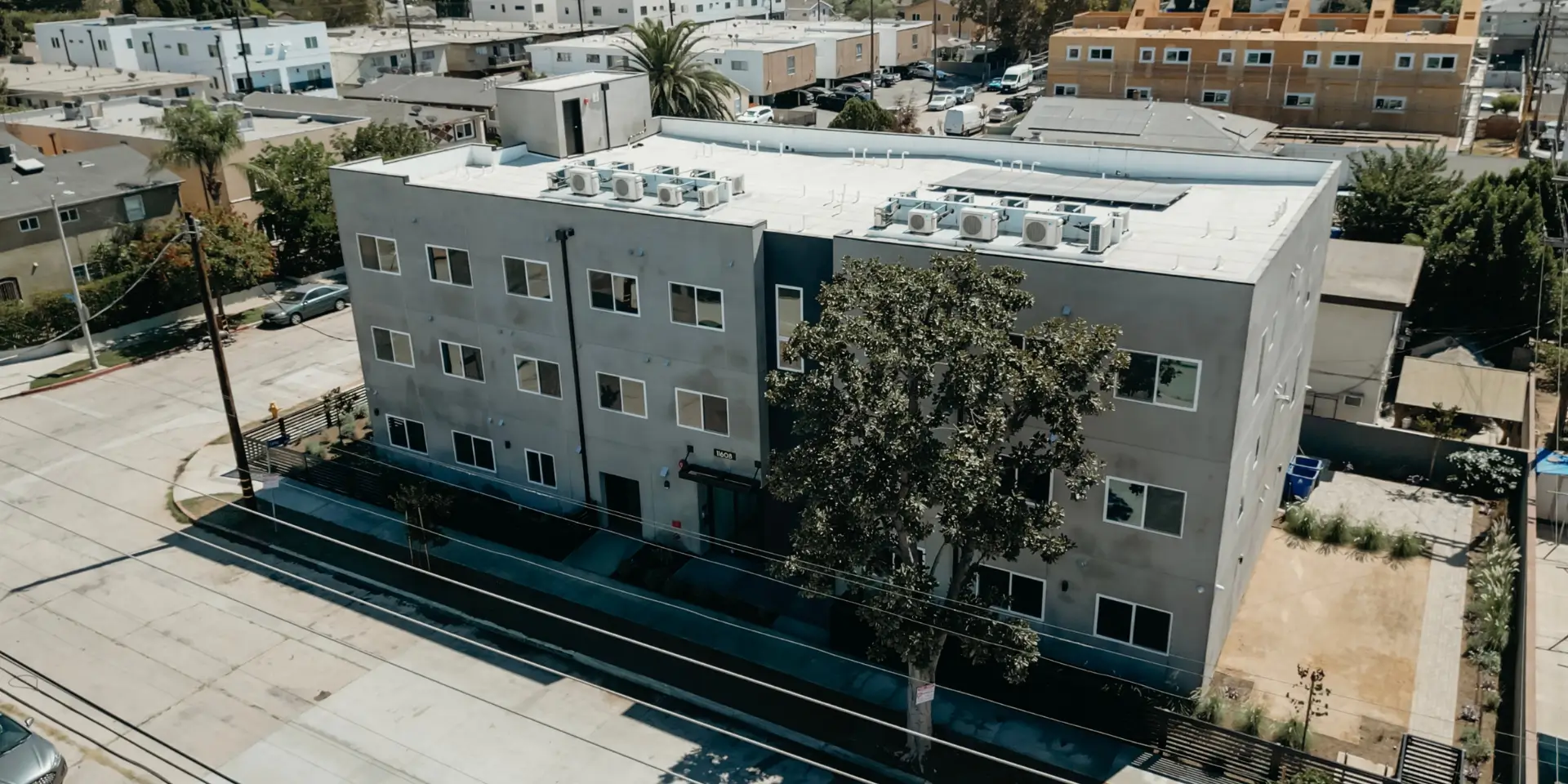
Multifamily construction in Los Angeles is more than a development strategy—it is a long-term investment that requires careful planning from the earliest concept stages through final lease-up and ongoing operations.
In a competitive and highly regulated market, successful multifamily projects are not defined solely by how quickly they are built, but by how well they perform over time. Developers must balance design, construction efficiency, tenant experience, and operational strategy to create assets that deliver consistent returns.
Understanding how multifamily projects are designed and delivered from start to finish provides valuable insight into what separates high-performing developments from underperforming ones.
The Importance of a Strong Concept Phase
Every successful multifamily project begins with a well-defined concept.
During this stage, developers evaluate the site, market conditions, and project goals. This includes determining the target tenant profile, rental positioning, and overall development strategy.
Key considerations in the concept phase include:
- site location and accessibility
- neighborhood demand and demographics
- zoning and development potential
- unit mix and density strategy
Establishing a clear concept ensures that all future decisions align with the project’s financial and operational objectives.
Designing for Market Demand
Multifamily projects must be designed with tenants in mind.
Understanding what renters are looking for in Los Angeles helps guide decisions related to layout, amenities, and overall design. Properties that align with market demand are more likely to achieve strong occupancy and rental rates.
Design priorities often include:
- efficient unit layouts that maximize usable space
- access to natural light and ventilation
- modern finishes and appliances
- functional common areas and amenities
Designing with the end user in mind improves both lease-up performance and long-term retention.
Optimizing Density Without Compromising Livability
Density is a key factor in multifamily development, as it directly affects revenue potential.
However, maximizing unit count must be balanced with livability. Overly dense projects can negatively impact tenant experience, leading to higher turnover and reduced long-term performance.
Successful developments achieve this balance by:
- carefully planning unit layouts
- providing adequate shared spaces
- ensuring privacy between units
- designing efficient circulation within the building
This approach allows developers to maximize returns without sacrificing quality.
Efficient Construction Planning and Execution
Construction efficiency plays a major role in the financial success of multifamily projects.
Delays or cost overruns can significantly impact overall returns, making careful planning essential. Developers and contractors work together to streamline the construction process and maintain consistent progress.
Key strategies include:
- detailed pre-construction planning
- coordinated scheduling of trades
- efficient material sourcing and logistics
- minimizing design changes during construction
Efficient execution helps ensure that projects are delivered on time and within budget.
Integrating Systems for Long-Term Performance
Modern multifamily buildings rely on integrated systems that support both functionality and efficiency.
These systems include mechanical, electrical, and plumbing infrastructure, as well as technology that enhances building operations.
Developers focus on:
- energy-efficient HVAC systems
- durable plumbing and electrical systems
- smart building technologies
- efficient waste and water management
Proper system integration reduces operating costs and improves long-term building performance.
Enhancing Tenant Experience
Tenant experience is one of the most important drivers of long-term success.
Buildings that provide comfortable, functional, and attractive living environments tend to achieve higher occupancy rates and lower turnover.
Features that improve tenant experience include:
- well-designed common areas
- outdoor spaces and amenities
- secure access and parking
- responsive building management systems
A positive tenant experience directly contributes to consistent rental income.
Preparing for Lease-Up
Lease-up is the phase where a completed project begins generating revenue.
A well-executed lease-up strategy ensures that units are filled efficiently while maintaining desired rental rates. This requires coordination between marketing, property management, and operations.
Key factors in successful lease-up include:
- competitive pricing strategy
- effective marketing and positioning
- readiness of units for occupancy
- strong initial tenant experience
Projects that are properly prepared for lease-up can achieve stabilization more quickly.
Long-Term Operational Strategy
Multifamily performance extends well beyond initial occupancy.
Ongoing operations play a critical role in maintaining profitability and asset value. Developers and property managers focus on strategies that support efficiency and tenant satisfaction over time.
This includes:
- proactive maintenance planning
- cost control for utilities and operations
- consistent property management practices
- upgrades that maintain competitiveness
A strong operational strategy ensures that the property continues to perform well in changing market conditions.
The Role of Experienced Teams
Delivering high-performing multifamily projects requires collaboration between experienced professionals.
Architects, engineers, contractors, and property managers must work together to ensure that every phase of the project is aligned with long-term goals.
Experienced teams are better equipped to:
- anticipate challenges
- manage complex timelines
- maintain quality standards
- adapt to market conditions
Their expertise is essential for achieving consistent results.
Final Thoughts
Multifamily construction in Los Angeles is a complex process that requires strategic planning from concept through lease-up and beyond. By focusing on design efficiency, construction execution, tenant experience, and long-term operations, developers can create properties that deliver lasting value.
Projects that are thoughtfully planned and professionally managed are more likely to achieve strong occupancy, stable income, and long-term success in a competitive market.
FAQs
What is the most important phase in multifamily development?
The concept and planning phase is critical because it sets the foundation for all future decisions.
How do developers maximize multifamily performance?
By balancing design, construction efficiency, tenant experience, and long-term operations.
What is lease-up in multifamily construction?
Lease-up is the process of filling units after construction is complete.
Why is tenant experience important?
Positive tenant experience leads to higher occupancy rates and lower turnover.
Do multifamily projects require long-term management?
Yes. Ongoing operations and maintenance are essential for maintaining performance and value.