

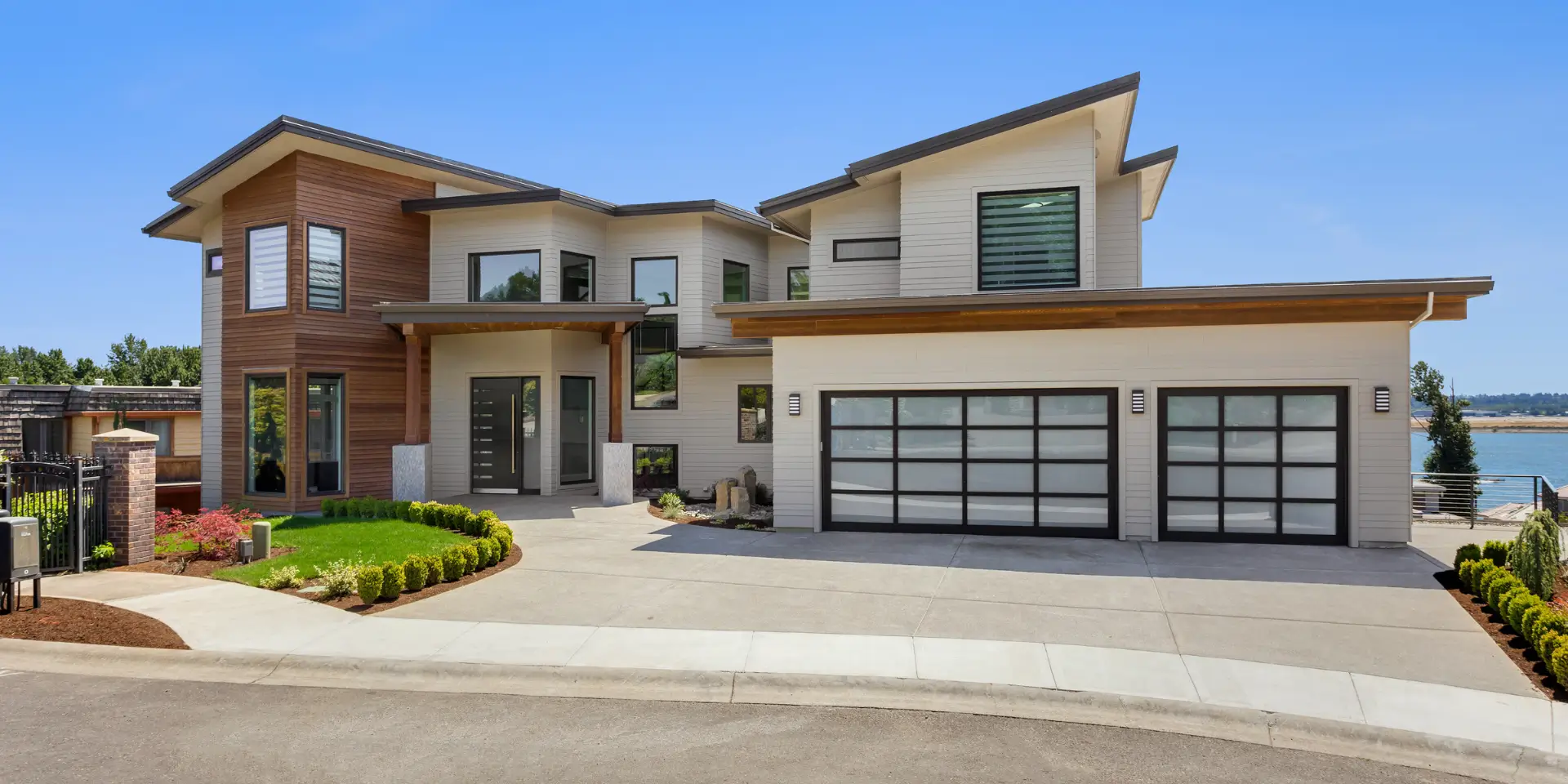
Modern homes are increasingly designed not only for how people live today, but also for how their needs may evolve over time. As families grow, careers change, and lifestyles shift, flexible home design allows spaces to adapt without requiring major renovations.
Architects and builders now emphasize long-term adaptability as an important part of residential planning. By incorporating flexible layouts, multi-purpose spaces, and thoughtful infrastructure, homes can remain functional and comfortable for many years.
In cities like Los Angeles, where homes represent a significant long-term investment, designing for future lifestyle changes helps homeowners maximize both usability and long-term value.
What Is Adaptive Home Design?
Adaptive home design refers to architectural strategies that allow spaces to change function over time.
Instead of creating highly specialized rooms that serve only one purpose, adaptable homes incorporate flexible layouts that can support different activities as household needs evolve.
Examples of adaptable spaces include:
- home offices that convert into guest rooms
- bonus rooms that become children’s bedrooms
- multi-purpose family rooms
- outdoor spaces that can be enclosed or expanded
This flexibility helps homeowners adjust their living spaces without extensive remodeling.
Flexible Floor Plans
One of the most important strategies for adaptable homes is designing flexible floor plans.
Traditional home layouts often separate rooms into rigid functions, such as formal dining rooms or dedicated offices. Modern designs instead favor open layouts that allow spaces to serve multiple purposes.
Flexible floor plans often feature:
- open living and dining areas
- sliding or movable partitions
- rooms with multiple access points
- spaces that can be subdivided later
These layouts allow homeowners to reconfigure spaces as their needs change.
Multi-Purpose Rooms
Multi-purpose rooms have become increasingly common in modern homes.
Instead of designing separate rooms for each activity, architects create versatile spaces that can support several functions throughout the day.
Examples include:
- media rooms that also serve as home offices
- guest suites that function as private workspaces
- playrooms that later become study areas
- garages that can convert into fitness or studio spaces
Designing these spaces with adaptability in mind ensures they remain useful over time.
Planning for Remote Work
Remote work has become a lasting part of many people’s lifestyles.
As a result, architects often include flexible workspace options within residential designs. Instead of building a single dedicated office, homes may include several areas that can function as temporary workspaces.
Design considerations may include:
- quiet zones within the home
- built-in desk areas
- strong internet infrastructure
- adaptable lighting for work environments
These features allow the home to support changing work arrangements.
Aging-in-Place Considerations
Adaptive design also considers how homes can remain functional as residents grow older.
Aging-in-place strategies help ensure that homes remain comfortable and accessible for many years.
Common design features include:
- step-free entryways
- wider hallways and doorways
- main-level living spaces
- accessible bathroom layouts
These features can be incorporated subtly so that the home remains visually appealing while still offering long-term usability.
Infrastructure for Future Technology
Technology continues to evolve rapidly, and modern homes are increasingly designed to accommodate future upgrades.
Builders often install infrastructure that allows homeowners to integrate new systems as they become available.
Examples include:
- structured wiring for technology systems
- flexible electrical layouts
- smart home compatibility
- space for future equipment installations
Planning for future technology ensures that homes remain modern and functional over time.
Outdoor Spaces That Evolve
Outdoor living areas are another opportunity for flexible design.
Spaces such as patios, terraces, and courtyards can serve many purposes depending on how homeowners choose to use them.
These spaces may function as:
- outdoor dining areas
- entertainment spaces
- relaxation zones
- garden areas
Designing outdoor areas with adaptability allows homeowners to modify how they use the space as their lifestyle changes.
Storage and Organization
Adaptable homes also benefit from thoughtful storage planning.
Adequate storage allows homeowners to reorganize spaces more easily and accommodate changing needs over time.
Effective storage solutions may include:
- built-in cabinetry
- hidden storage areas
- flexible closet systems
- multi-purpose furniture
These features help maintain organized spaces even as household needs evolve.
Long-Term Value of Adaptable Homes
Homes designed with flexibility tend to retain their functionality longer than homes built with rigid layouts.
Because adaptable homes can evolve with changing lifestyles, they often require fewer renovations over time.
This approach benefits homeowners by:
- reducing future remodeling costs
- improving long-term comfort
- increasing property appeal for future buyers
As a result, adaptable design can contribute to both practical living and long-term property value.
Final Thoughts
Designing homes that adapt to future lifestyle changes is becoming an essential part of modern residential architecture. Flexible layouts, multi-purpose rooms, and thoughtful infrastructure allow homes to evolve alongside the people who live in them.
By planning for both present and future needs, architects and builders can create homes that remain comfortable, functional, and valuable for decades.
Adaptive design ensures that a home is not only built for today—but also prepared for tomorrow.
FAQs
What is adaptive home design?
Adaptive home design focuses on creating flexible spaces that can change function over time as homeowners’ needs evolve.
Why is flexible home design important?
Flexible design allows homes to adapt to changing lifestyles, reducing the need for major renovations in the future.
What are multi-purpose rooms?
Multi-purpose rooms are spaces designed to serve multiple functions, such as a home office that also works as a guest room.
How can homes support remote work?
Homes can support remote work by including flexible workspace areas, strong internet infrastructure, and quiet zones for productivity.
What does aging-in-place design mean?
Aging-in-place design includes features that allow people to remain comfortable in their homes as they grow older.