

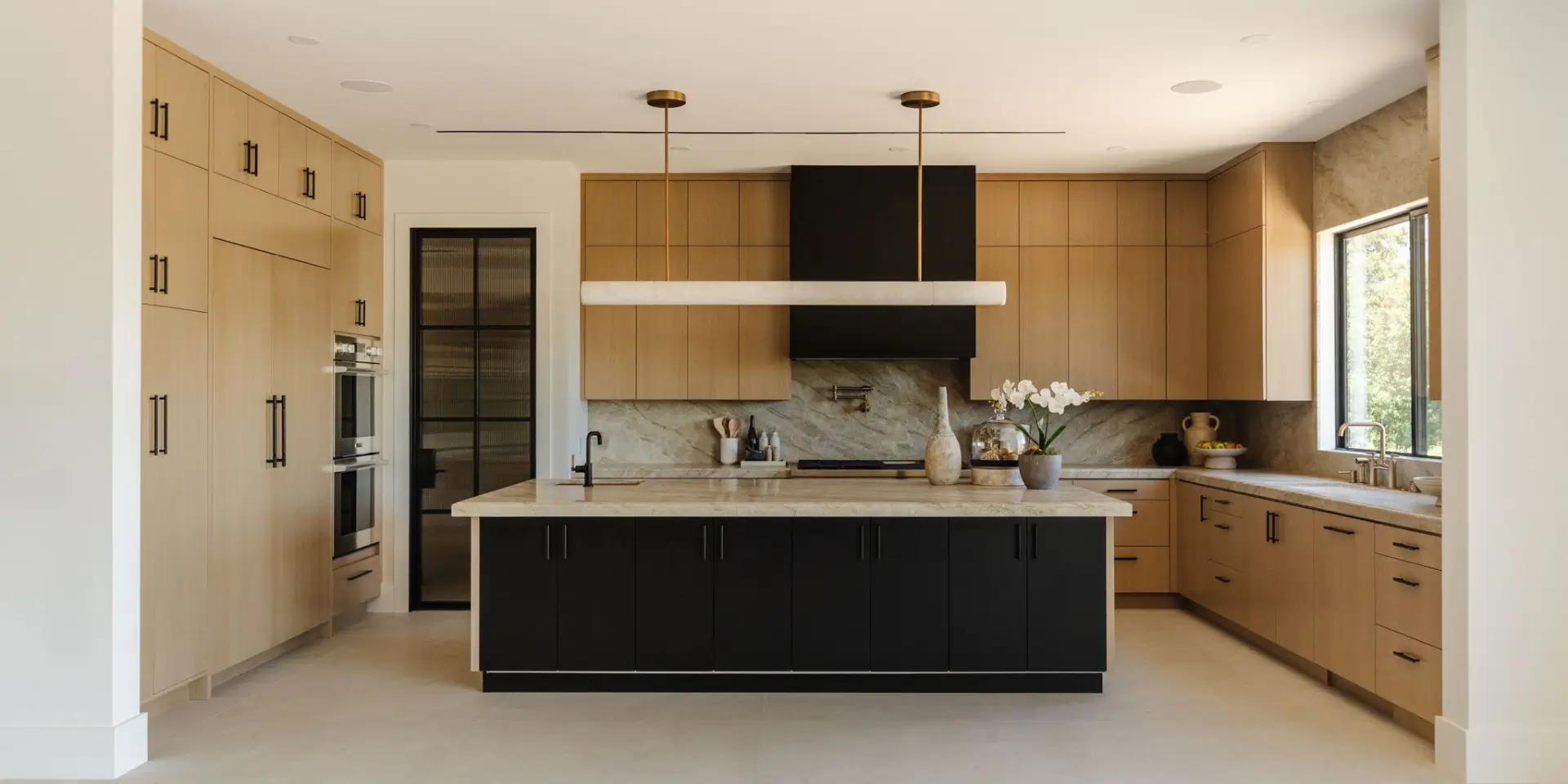
Modern residential design is increasingly focused on more than aesthetics alone. Today’s homeowners are seeking spaces that promote comfort, relaxation, and emotional wellbeing. As a result, architects and designers are placing greater emphasis on what is often referred to as the “architecture of calm.”
The architecture of calm refers to design strategies that create peaceful, balanced environments within the home. Through thoughtful use of natural light, materials, spatial layout, and connections to nature, homes can become environments that actively support physical and mental wellbeing.
In cities like Los Angeles, where busy lifestyles and urban environments can feel overwhelming, homes designed for calm offer a valuable retreat from daily stress.
What Is the Architecture of Calm?
The architecture of calm is a design philosophy focused on creating spaces that encourage relaxation, clarity, and emotional balance.
Rather than emphasizing visual complexity or decorative excess, this approach focuses on simplicity, natural elements, and harmonious spatial relationships.
Key design principles often include:
- natural light and open space
- minimalist architectural forms
- natural materials and textures
- quiet, uncluttered interiors
- connections to nature and landscape
These elements work together to create environments that feel soothing rather than overwhelming.
The Role of Natural Light
Natural light plays one of the most powerful roles in shaping the emotional quality of a home.
Spaces filled with daylight tend to feel more uplifting, spacious, and comfortable. Architects often design homes to maximize daylight through large windows, skylights, and open floor plans that allow light to travel throughout the interior.
Careful placement of windows can also control the intensity of sunlight, allowing rooms to remain bright while avoiding excessive glare or heat.
When used thoughtfully, natural light enhances both the visual beauty and the emotional atmosphere of a home.
Creating Spacious and Balanced Interiors
Calm environments often rely on spatial balance rather than dense layouts.
Homes designed for relaxation tend to feature:
- open circulation pathways
- generous ceiling heights
- uncluttered room arrangements
- visual connections between spaces
These qualities help create a sense of openness that allows occupants to move comfortably throughout the home.
Architectural simplicity also reduces visual noise, allowing the structure and materials to create a more peaceful environment.
Natural Materials and Texture
Material selection has a strong influence on the emotional tone of a space.
Natural materials such as wood, stone, plaster, and linen introduce warmth and tactile richness that synthetic finishes often lack.
Common materials used in calming interiors include:
- natural wood flooring or ceilings
- limestone or textured stone surfaces
- plaster or limewash wall finishes
- soft natural textiles
These materials create subtle visual variation and organic texture that help a space feel grounded and comfortable.
Connecting the Home to Nature
One of the most effective ways to create a calming environment is by integrating natural elements into the architecture.
This concept, often associated with biophilic design, encourages connections between indoor spaces and the natural world.
Design strategies may include:
- indoor courtyards or garden spaces
- large windows framing landscape views
- outdoor living areas connected to interior rooms
- natural landscaping visible from multiple areas of the home
These connections allow nature to become part of the daily living experience.
Sound and Acoustic Comfort
A calm home is not only visually peaceful—it is also acoustically comfortable.
Architects and builders often incorporate materials and design features that reduce unwanted noise and create quieter environments.
This may include:
- acoustic wall and ceiling materials
- strategic room placement within the layout
- insulation that reduces exterior noise
- soft furnishings that absorb sound
These elements contribute to a home that feels more private and restful.
The Importance of Privacy
Privacy plays a key role in creating a sense of calm.
Homes designed for wellbeing often include private retreats where residents can relax away from the activity of shared living spaces.
Examples include:
- private garden courtyards
- quiet reading areas
- dedicated wellness or meditation spaces
- bedrooms positioned away from high-traffic areas
Thoughtful planning allows the home to support both social interaction and personal retreat.
Minimalism and Visual Clarity
Many calming homes embrace a form of architectural minimalism.
This does not mean spaces are empty or cold. Instead, the design focuses on removing unnecessary elements so that each detail has purpose and clarity.
Simple forms, balanced proportions, and restrained material palettes allow the architecture itself to create beauty without visual overload.
This sense of visual clarity helps occupants feel more relaxed and focused within the space.
Designing Homes for Everyday Wellbeing
Ultimately, the architecture of calm is about creating environments that support daily life.
Homes designed with wellbeing in mind can help residents feel more relaxed, focused, and connected to their surroundings.
Whether through natural light, quiet materials, or thoughtfully organized spaces, architecture has the ability to influence how people experience their homes every day.
Final Thoughts
The architecture of calm reflects a growing awareness that homes should support not only physical shelter but also emotional wellbeing.
Through thoughtful design, natural materials, and connections to nature, modern homes can create environments that feel peaceful, balanced, and restorative.
For homeowners seeking refuge from busy urban environments, architecture designed for calm offers a powerful way to transform the home into a place of comfort and renewal.
FAQs
What is the architecture of calm in home design?
The architecture of calm refers to design strategies that create peaceful environments through natural light, simple forms, and connections to nature.
How can architecture reduce stress in a home?
Homes designed with natural light, open spaces, quiet materials, and natural elements can create environments that feel more relaxing and comfortable.
Why are natural materials important in calming spaces?
Natural materials introduce warmth, texture, and organic variation that help spaces feel more grounded and inviting.
Does natural light improve wellbeing in homes?
Yes. Natural light can improve mood, increase comfort, and make interior spaces feel brighter and more spacious.
What is biophilic design?
Biophilic design integrates natural elements such as plants, water, and natural views into architectural environments to support wellbeing.