

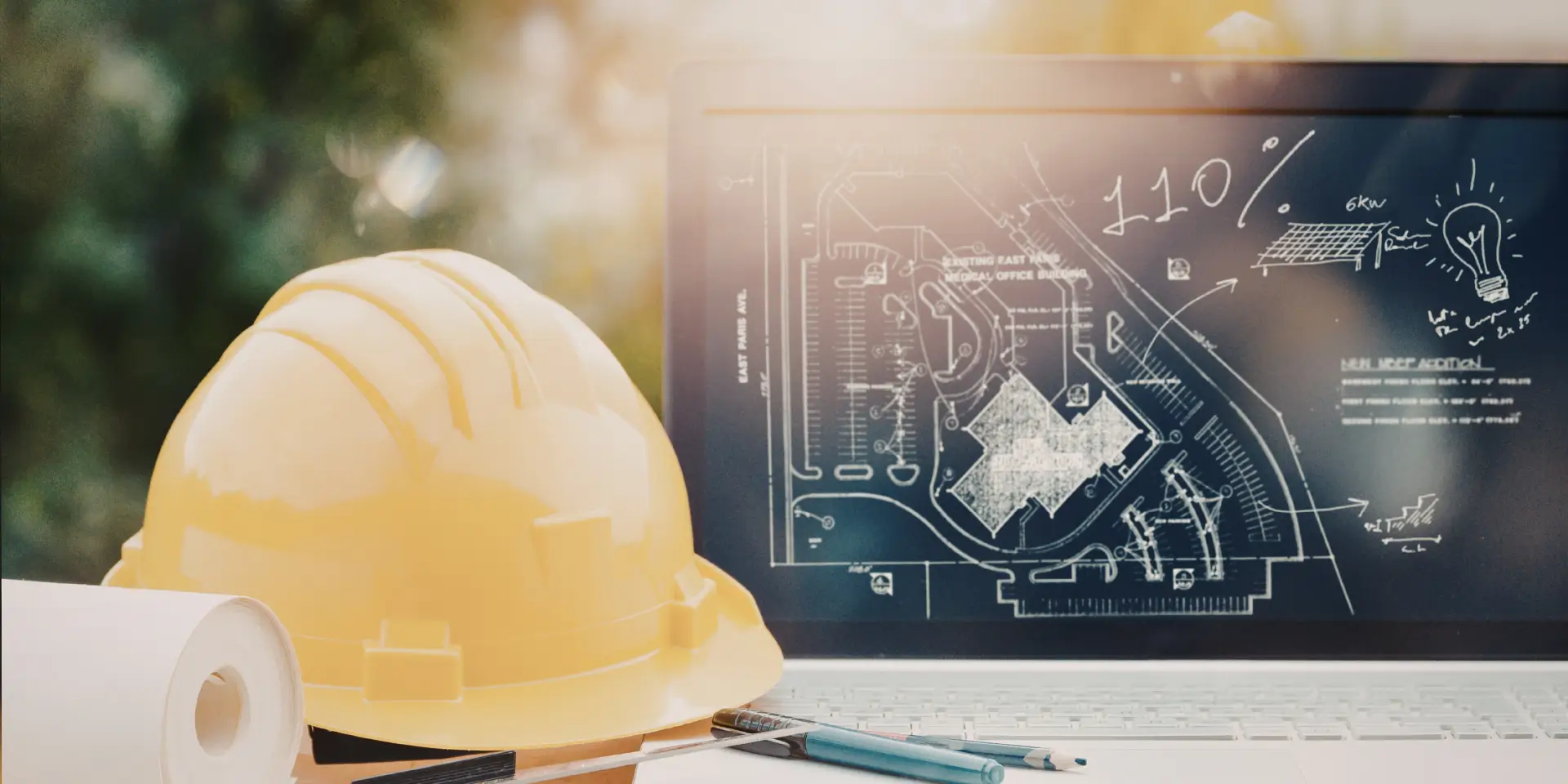
Modern residential construction projects—especially custom luxury homes—often involve dozens of professionals working together. Architects, structural engineers, contractors, subcontractors, consultants, and inspectors must coordinate hundreds of decisions and tasks throughout the building process.
Without careful coordination, even well-designed projects can experience delays, miscommunication, or costly rework. Today, technology plays a critical role in keeping complex residential construction projects organized and on schedule.
Digital collaboration platforms, construction management tools, and advanced modeling technologies allow teams to communicate efficiently, track progress, and resolve issues before they affect the construction timeline.
The Complexity of Modern Residential Projects
Large residential construction projects are significantly more complex than they were in the past. Modern homes often incorporate advanced structural systems, smart home technology, custom architectural features, and high-performance building materials.
As a result, construction teams must coordinate many different aspects of the project simultaneously.
Key participants may include:
- architects and designers
- structural engineers
- general contractors
- specialized subcontractors
- building inspectors
- landscape designers
Technology helps these teams work together efficiently while maintaining clear communication throughout the project.
Digital Project Management Platforms
One of the most important tools in modern construction coordination is the use of digital project management platforms.
These systems allow project teams to organize and track construction activities in real time. Instead of relying solely on email or paper documents, team members can access shared project information through centralized platforms.
Digital project management tools help coordinate:
- construction schedules
- design documents
- material deliveries
- subcontractor assignments
- inspection reports
This centralized access helps reduce confusion and keeps all project participants aligned.
Building Information Modeling (BIM)
Building Information Modeling (BIM) has become one of the most powerful tools for coordinating complex construction projects.
BIM technology allows architects, engineers, and contractors to create a detailed digital model of the home before construction begins. These models include not only the visual design but also structural systems, mechanical components, and construction details.
Using BIM allows project teams to:
- identify design conflicts early
- coordinate structural and mechanical systems
- simulate construction sequencing
- improve communication between disciplines
This proactive coordination helps prevent costly changes during construction.
Real-Time Communication on the Jobsite
Mobile technology has transformed communication on construction sites.
Project managers and subcontractors can now access drawings, schedules, and updates directly from smartphones or tablets. This allows teams to review information instantly without returning to an office.
Real-time communication tools allow construction teams to:
- share photos and updates from the site
- track project progress
- report issues quickly
- confirm completed tasks
This immediate feedback helps resolve problems before they affect the construction timeline.
Scheduling and Timeline Coordination
Construction schedules are essential for managing large residential projects.
Digital scheduling tools allow project managers to plan each phase of construction and track progress against the expected timeline.
These systems help coordinate tasks such as:
- site preparation
- structural framing
- mechanical system installation
- interior finishing
By monitoring project milestones closely, builders can adjust schedules when needed and avoid delays.
Document Management and Version Control
Construction projects generate a large number of documents, including architectural drawings, engineering plans, permits, and inspection reports.
Digital document management systems ensure that everyone involved in the project is working from the most current version of the plans.
These systems help prevent common issues such as:
- outdated drawings being used on site
- conflicting design revisions
- lost documentation
Version control ensures that all team members are aligned with the latest project information.
Coordinating Subcontractors and Trades
Specialized subcontractors perform many of the critical tasks in residential construction, including electrical work, plumbing, HVAC installation, and finish carpentry.
Coordinating these trades requires careful scheduling and communication.
Technology helps project managers:
- schedule subcontractor work efficiently
- track task completion
- avoid conflicts between trades
- maintain clear timelines
Effective coordination ensures that each phase of construction proceeds smoothly.
Improving Construction Accuracy
Technology also improves construction accuracy by allowing builders to verify measurements and layouts before installation.
Digital tools such as laser measurement systems and 3D layout equipment help ensure that structural components are installed precisely according to the design plans.
This precision helps maintain architectural quality while reducing the need for costly adjustments.
The Future of Construction Coordination
As residential construction continues to evolve, technology will play an even greater role in project coordination.
Emerging innovations such as drone site monitoring, real-time project analytics, and artificial intelligence tools are helping construction teams manage projects with greater efficiency.
These technologies allow builders to monitor progress more closely and make informed decisions throughout the construction process.
Final Thoughts
Large residential construction projects require careful coordination between many professionals and trades. Technology has become an essential tool for managing this complexity, helping teams communicate effectively, track progress, and maintain accurate project documentation.
By integrating digital tools into the construction process, builders can improve efficiency, reduce errors, and deliver high-quality homes on schedule.
As construction technology continues to advance, coordinated project management will remain a critical factor in successful residential development.
FAQs
What is construction coordination?
Construction coordination refers to the process of organizing and managing all teams, schedules, and activities involved in a construction project.
Why is coordination important in residential construction?
Effective coordination helps prevent delays, reduces errors, and ensures that different trades work together efficiently.
What technology is used for construction coordination?
Builders often use project management software, BIM modeling, digital scheduling tools, and mobile communication platforms.
How does BIM help construction projects?
BIM allows teams to create detailed digital models of buildings, helping identify design conflicts before construction begins.
Can technology reduce construction delays?
Yes. Digital tools help teams monitor schedules, communicate quickly, and resolve issues before they disrupt the project timeline.