

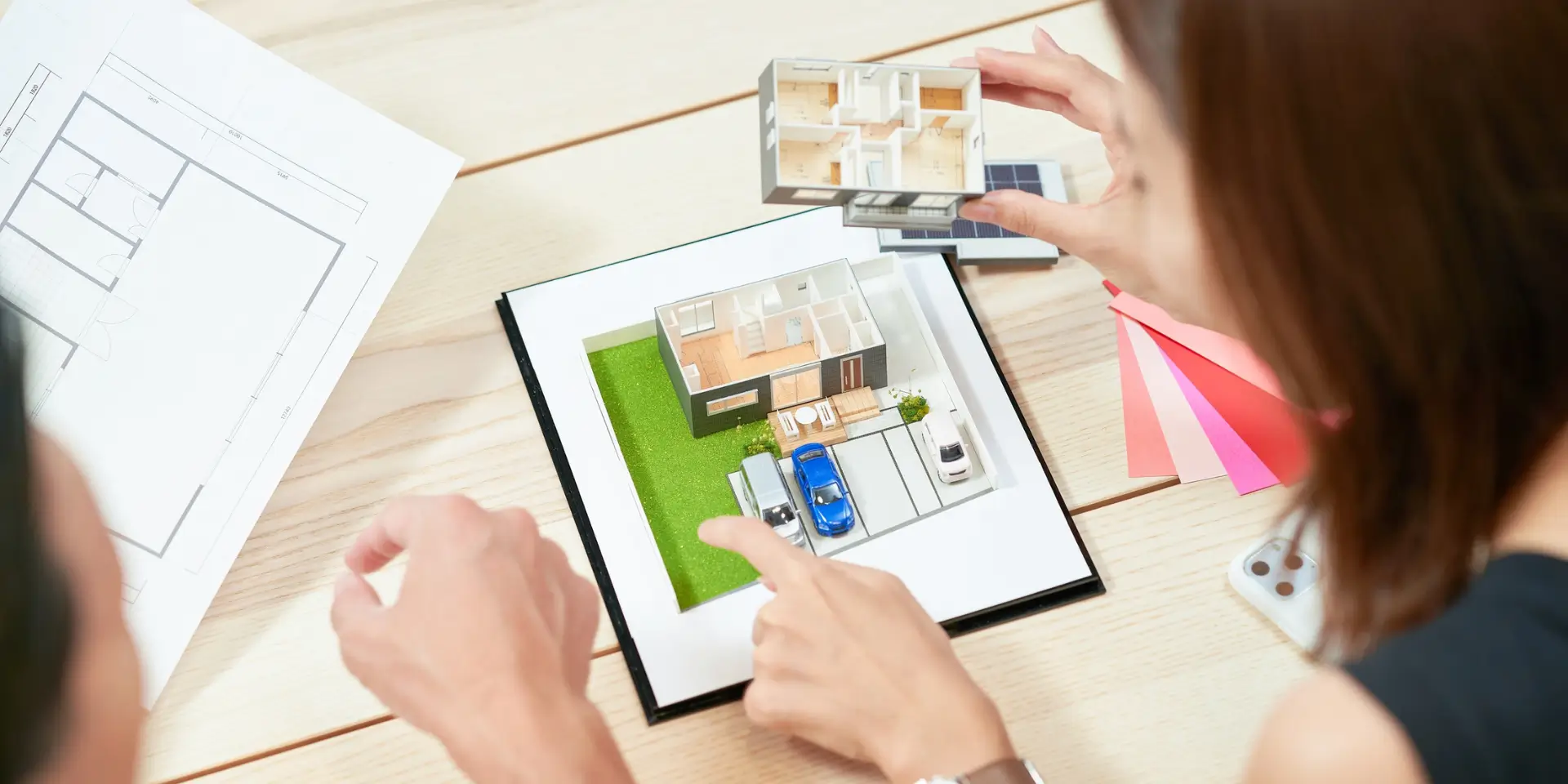
Residential construction has evolved significantly over the past decade. While craftsmanship and engineering expertise remain essential, modern builders now rely on advanced digital tools to improve accuracy, efficiency, and coordination throughout the construction process.
Digital construction technologies allow architects, engineers, and builders to collaborate more effectively, visualize projects before construction begins, and identify potential issues early in the design phase. These tools help reduce errors, streamline communication, and ensure that complex architectural designs can be executed precisely.
For modern homes—especially custom residences and hillside projects—digital construction tools have become an essential part of delivering high-quality results.
The Rise of Digital Construction Technology
Traditional construction processes often relied heavily on printed drawings and manual coordination between teams. While effective, this approach could sometimes lead to miscommunication or discrepancies between design documents and construction execution.
Digital construction tools have transformed this process by allowing project teams to work from shared digital models and real-time data.
These technologies help ensure that architects, engineers, and builders are all working from the same coordinated information.
As a result, projects can move forward with greater clarity and fewer unexpected challenges during construction.
Building Information Modeling (BIM)
One of the most important digital tools in modern construction is Building Information Modeling, commonly known as BIM.
BIM allows project teams to create detailed three-dimensional models of a building before construction begins. These models contain not only the visual design but also critical data about structural systems, materials, and building components.
With BIM technology, teams can:
- visualize the entire project in 3D
- identify design conflicts before construction
- coordinate structural and mechanical systems
- simulate construction sequencing
This level of detail helps prevent costly changes during the building phase.
Digital Site Modeling and Terrain Analysis
For projects built on complex terrain—such as hillside properties—digital modeling tools are particularly valuable.
Engineers and architects can analyze topography, slope conditions, and soil characteristics using advanced mapping technologies. These tools allow teams to evaluate how the building will interact with the site before excavation begins.
Digital terrain models help determine:
- optimal building placement
- drainage strategies
- retaining wall locations
- access points for construction
This level of planning improves both safety and construction efficiency.
3D Visualization for Clients and Designers
Digital modeling tools also help homeowners better understand their future homes.
Three-dimensional renderings and walkthrough simulations allow clients to see how spaces will look and feel before construction begins.
This helps homeowners evaluate design decisions such as:
- room layouts
- window placement
- ceiling heights
- material combinations
- outdoor space integration
By visualizing the project in advance, clients can make informed decisions early in the design process.
Improving Coordination Between Construction Teams
Construction projects involve many professionals working together, including architects, engineers, contractors, and specialty consultants.
Digital platforms allow these teams to coordinate their work more effectively by sharing models, drawings, and updates in a centralized system.
This collaboration helps prevent conflicts between building systems such as:
- structural framing
- mechanical systems
- electrical installations
- plumbing infrastructure
When these systems are coordinated digitally before construction begins, the likelihood of on-site conflicts is significantly reduced.
Digital Project Management Tools
In addition to design software, builders increasingly use digital project management platforms to organize and track construction progress.
These tools help construction teams manage:
- project schedules
- documentation and drawings
- subcontractor coordination
- inspection records
- progress tracking
Digital project management improves transparency and helps ensure that construction milestones are achieved on schedule.
Enhancing Precision During Construction
Digital technology continues to support the construction process even after building begins.
Tools such as laser scanning, digital layout equipment, and precise measurement systems allow builders to position structural elements with remarkable accuracy.
These technologies help ensure that:
- foundations are correctly aligned
- structural components are installed precisely
- building dimensions match the design documents
This level of precision is particularly important for modern architectural designs that rely on clean lines and exact proportions.
Supporting Complex Architectural Designs
Modern homes often feature design elements that require precise engineering and coordination.
Examples include:
- large glass walls
- cantilevered structures
- open floor plans with minimal columns
- complex roof geometries
Digital modeling tools help engineers evaluate how these elements will perform structurally while allowing architects to push creative boundaries.
This collaboration allows sophisticated designs to be built safely and accurately.
Reducing Construction Errors
One of the most important advantages of digital construction tools is their ability to reduce errors.
By identifying design conflicts and coordination issues early in the planning process, project teams can avoid costly changes during construction.
This improves overall project efficiency and helps maintain the integrity of the original design.
The Future of Digital Construction
Digital technology continues to evolve rapidly within the construction industry.
Emerging tools such as advanced modeling software, drone site monitoring, and real-time construction tracking are helping builders manage projects with even greater accuracy.
As these technologies continue to develop, they will play an increasingly important role in delivering complex residential projects with precision and efficiency.
Final Thoughts
Digital construction tools have transformed the way modern homes are designed and built. By allowing architects, engineers, and builders to collaborate more effectively and visualize projects before construction begins, these technologies help ensure that complex designs are executed accurately.
For homeowners, this means fewer surprises during construction and a smoother path from concept to completion.
As residential architecture continues to evolve, digital tools will remain an essential part of building homes that combine design innovation with technical precision.
FAQs
What are digital construction tools?
Digital construction tools are technologies such as 3D modeling software, project management platforms, and digital surveying systems used to plan and manage construction projects.
What is Building Information Modeling (BIM)?
Building Information Modeling (BIM) is a digital modeling system that creates detailed three-dimensional representations of buildings, allowing teams to coordinate design and construction more effectively.
How do digital tools reduce construction errors?
Digital models help identify conflicts between structural and mechanical systems before construction begins, preventing costly changes during the building process.
Can homeowners benefit from digital construction technology?
Yes. Digital visualization tools allow homeowners to see and evaluate their future home before construction begins, helping them make informed design decisions.
Are digital tools used for hillside construction projects?
Yes. Digital terrain modeling helps engineers analyze slopes, drainage patterns, and structural requirements for hillside sites.