

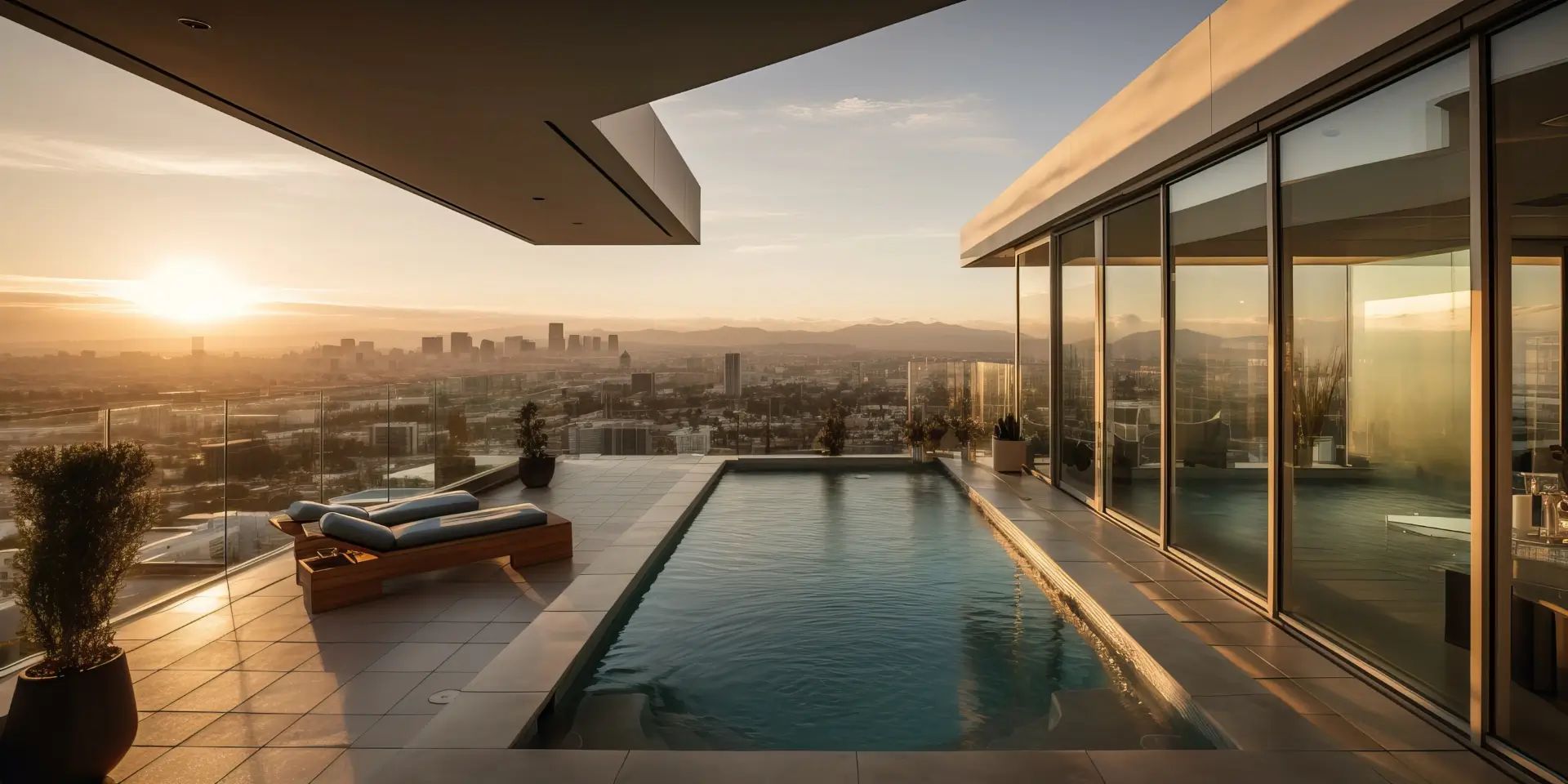
When designing a home, many people focus primarily on architectural style, interior layout, and finishes. While those elements are important, one of the most fundamental design considerations happens long before construction begins: lot orientation.
Lot orientation refers to how a home is positioned on a property relative to the sun, prevailing winds, surrounding landscape, and neighboring structures. Proper orientation can significantly influence natural lighting, airflow, energy efficiency, and overall comfort within the home.
In regions like Los Angeles, where climate and outdoor living play an important role in daily life, thoughtful lot orientation helps create homes that feel brighter, healthier, and more connected to the environment.
What Is Lot Orientation?
Lot orientation describes how a home is positioned on a piece of land in relation to the cardinal directions—north, south, east, and west—as well as environmental factors such as sun exposure and wind direction.
Architects and builders analyze these factors to determine:
- where the home should sit on the property
- how the structure should face the sun
- where windows and outdoor spaces should be located
- how airflow will move through the building
A well-oriented home takes advantage of natural conditions rather than working against them.
Maximizing Natural Sunlight
Sunlight is one of the most valuable design tools in residential architecture. Proper lot orientation allows architects to control how sunlight enters the home throughout the day.
In many climates, south-facing exposures provide the most consistent daylight. This orientation allows living spaces to receive balanced sunlight without excessive heat buildup.
East-facing windows capture soft morning light, making them ideal for bedrooms or breakfast areas. West-facing exposures can produce dramatic sunset lighting but may require shading strategies to manage afternoon heat.
By studying sun patterns early in the design process, architects can position the home to maximize natural light while maintaining comfort.
Improving Indoor Comfort Through Passive Design
Lot orientation also plays a role in passive design strategies—approaches that use natural environmental conditions to improve comfort without relying heavily on mechanical systems.
For example, strategic orientation can help:
- reduce excessive heat gain
- increase natural daylight
- encourage natural ventilation
- minimize glare during peak sunlight hours
These design decisions can improve the livability of a home while supporting more efficient energy use over time.
In mild climates such as Southern California, passive design strategies are particularly effective because homes can take advantage of natural conditions throughout much of the year.
Understanding Wind Patterns
Prevailing wind patterns can significantly affect the comfort and ventilation of a home.
By studying typical wind directions, architects can position windows, courtyards, and openings to encourage natural airflow through the building.
Cross-ventilation occurs when fresh air enters through one side of the home and exits through another. This natural movement of air helps cool interior spaces and improve indoor air quality.
In hillside areas of Los Angeles, wind patterns may also be influenced by elevation and surrounding terrain. Understanding these local conditions allows designers to create homes that feel naturally ventilated and comfortable.
Outdoor Living and View Orientation
In California architecture, outdoor spaces are just as important as interior rooms.
Lot orientation plays a major role in determining where outdoor features such as terraces, courtyards, pools, and patios should be placed.
Well-oriented outdoor spaces can provide:
- optimal sunlight for daytime use
- protection from strong winds
- comfortable shaded areas
- enhanced privacy from neighbors
For hillside homes, orientation also affects how views are framed. Architects often position living spaces and outdoor areas to capture the most desirable views while minimizing exposure to less appealing surroundings.
Privacy and Neighborhood Context
Lot orientation is also influenced by the surrounding neighborhood.
Architects evaluate nearby buildings, streets, and sightlines to determine how the home should be positioned for privacy and visual balance.
Strategic placement of windows, courtyards, and outdoor living areas can help protect private spaces while still allowing natural light and airflow.
In dense urban environments like many Los Angeles neighborhoods, this careful positioning helps create homes that feel open yet private.
Landscape Integration
The natural landscape of a property can further influence how a home is oriented.
Trees, slopes, and existing terrain features often shape the design strategy. In some cases, preserving mature trees or natural rock formations can guide the placement of the structure.
Landscape design also works in partnership with orientation. Shade trees, garden walls, and planted areas can help manage sunlight, create microclimates, and enhance the comfort of outdoor spaces.
When architecture and landscape are coordinated thoughtfully, the result is a home that feels integrated with its surroundings rather than imposed on the land.
Orientation in Hillside Construction
Hillside properties present unique opportunities for orientation.
Elevated lots often provide expansive views, but they may also experience stronger winds and varying sun exposure throughout the day.
Architects and engineers carefully study slope direction, sun angles, and site access when designing hillside homes. This ensures the structure takes advantage of natural light and views while maintaining structural stability and comfort.
For luxury hillside homes in Los Angeles, orientation decisions often shape the entire architectural concept.
Why Early Planning Matters
Lot orientation decisions are most effective when made early in the design process.
Once architectural plans are finalized and construction begins, changing the orientation of the home becomes extremely difficult. That is why architects, engineers, and builders collaborate during the early planning stages to study the site carefully.
Early analysis helps ensure the home is positioned to benefit from sunlight, airflow, privacy, and landscape features from the very beginning.
Final Thoughts
Lot orientation is one of the most important yet often overlooked aspects of residential design. By understanding how sunlight, wind patterns, and landscape conditions interact with a property, architects can create homes that feel naturally bright, comfortable, and well-balanced.
In climates like Los Angeles, thoughtful orientation enhances both indoor and outdoor living while improving long-term comfort and efficiency.
When integrated into the early stages of design, lot orientation helps transform a property into a home that works harmoniously with its natural environment.
FAQs
What is lot orientation in home design?
Lot orientation refers to how a home is positioned on a property relative to the sun, wind direction, and surrounding landscape.
Why is sunlight important when positioning a home?
Sunlight affects natural lighting, indoor comfort, and energy efficiency. Proper orientation allows homes to receive balanced daylight throughout the day.
How do wind patterns affect home design?
Wind patterns influence ventilation and airflow. Architects often design window placement and openings to encourage natural cross-ventilation.
Can lot orientation affect outdoor living spaces?
Yes. Proper orientation helps ensure patios, courtyards, and terraces receive comfortable sunlight and protection from strong winds.
Is lot orientation more important for hillside homes?
Yes. Hillside properties often have varying sun exposure, wind conditions, and view opportunities that make orientation especially important.