

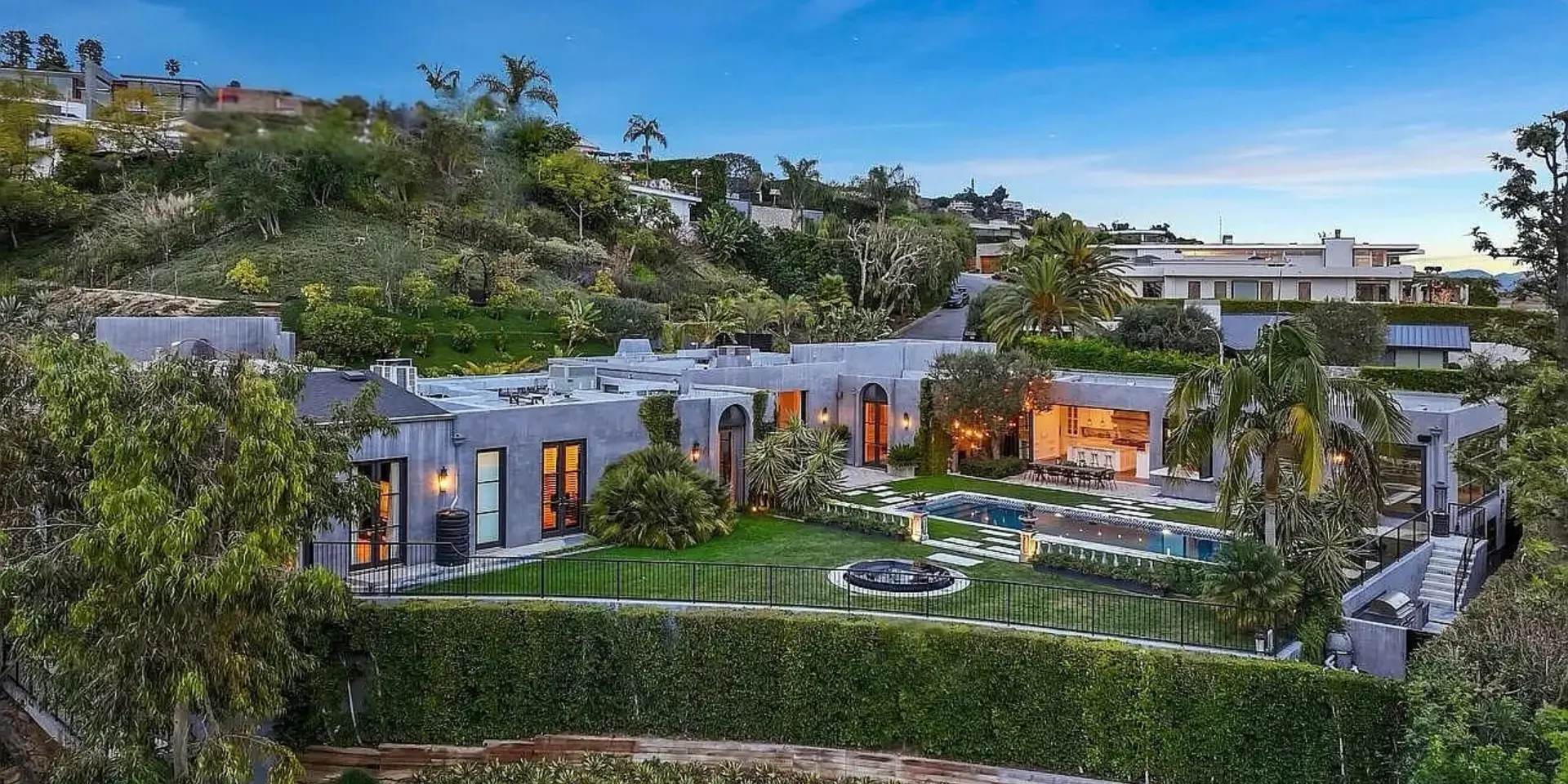
Hillside homes are among the most distinctive forms of residential architecture. Built on sloped terrain, these homes often offer dramatic views, unique spatial layouts, and architectural designs that would be difficult to achieve on flat land.
One of the most effective strategies for hillside construction is the use of multi-level design. By stacking living spaces vertically along the slope, architects can maximize views while also maintaining privacy and structural stability.
In hillside communities across Los Angeles and Southern California, multi-level homes have become a defining feature of modern residential architecture.
Why Multi-Level Design Works for Hillside Properties
Unlike flat sites where homes typically spread horizontally, hillside properties naturally encourage vertical construction.
Multi-level designs allow architects to work with the slope rather than against it. Instead of extensive excavation to create a flat building pad, homes can be arranged in stepped levels that follow the terrain.
This approach provides several advantages:
- improved structural stability
- reduced excavation and site disruption
- better integration with the natural landscape
- expanded opportunities for views and terraces
By aligning the architecture with the slope, homes can feel both grounded and visually striking.
Capturing Panoramic Views
One of the primary benefits of hillside living is access to sweeping views of the surrounding environment.
Multi-level homes allow architects to position key living spaces—such as living rooms, dining areas, and terraces—at elevations that maximize these views.
Design strategies often include:
- large window walls facing the view
- elevated living areas
- rooftop terraces or decks
- cantilevered balconies extending toward the landscape
These features allow homeowners to enjoy panoramic views of city skylines, oceans, or hillsides.
Creating Privacy Through Vertical Layouts
In dense hillside neighborhoods, privacy can be just as important as views.
Multi-level layouts allow architects to separate public and private areas within the home. Instead of placing all rooms on the same floor, spaces can be distributed vertically.
Typical arrangements may include:
- entry and social spaces on upper levels
- bedrooms on lower levels
- guest suites on separate floors
- private outdoor terraces connected to bedrooms
This layered approach helps create quiet retreats within the home while maintaining open spaces for entertaining.
Terraces and Outdoor Living Areas
Hillside homes often incorporate multiple outdoor living areas positioned at different levels of the property.
Terraced outdoor spaces allow homeowners to enjoy the landscape from various vantage points while maintaining strong connections between interior and exterior environments.
Examples include:
- rooftop terraces
- stepped garden levels
- infinity-edge pools overlooking views
- outdoor lounges connected to living areas
These spaces extend the usable area of the home while enhancing the experience of hillside living.
Structural Considerations for Multi-Level Homes
Building vertically on a slope requires careful structural engineering.
Structural engineers must design foundation systems that anchor the home securely into the hillside while supporting the vertical loads of multiple levels.
Common structural solutions include:
- deep foundation systems such as caissons
- reinforced retaining walls
- grade beams that stabilize the structure
- stepped foundations that follow the slope
These systems ensure the home remains stable even on steep terrain.
Efficient Circulation Between Levels
Multi-level homes require thoughtful circulation design so residents can move comfortably between floors.
Architects often incorporate features such as:
- open staircases that connect major living areas
- elevators in larger homes
- split-level transitions that reduce vertical travel distances
Careful planning ensures that the home feels connected rather than fragmented across multiple levels.
Natural Light in Multi-Level Designs
Vertical layouts also provide opportunities to enhance natural lighting throughout the home.
Architects may introduce:
- clerestory windows that bring light into interior spaces
- stairwells that act as light wells
- skylights above circulation areas
- glass walls facing open views
These strategies allow daylight to travel through multiple levels of the home.
Integrating the Home with the Landscape
A successful hillside design blends architecture with the surrounding terrain.
Instead of dominating the landscape, well-designed homes step gently along the slope and incorporate natural materials that complement the environment.
Landscape design often includes:
- terraced gardens
- retaining walls integrated with planting areas
- native vegetation that stabilizes the slope
This approach creates a harmonious relationship between the home and its hillside setting.
The Appeal of Hillside Living
Hillside homes offer a unique residential experience that combines architecture, landscape, and panoramic views.
By using multi-level designs, architects can take full advantage of the site while addressing structural and privacy considerations.
These homes often feel more connected to their environment while offering dynamic interior spaces that reflect the natural slope of the land.
Final Thoughts
Designing multi-level hillside homes requires careful planning, engineering expertise, and thoughtful architectural design. By working with the natural terrain rather than altering it extensively, architects can create homes that maximize views, maintain privacy, and integrate seamlessly with the surrounding landscape.
From terraced outdoor spaces to vertically organized interiors, multi-level design allows hillside homes to offer a distinctive living experience that blends architectural innovation with the beauty of the natural environment.
FAQs
Why are hillside homes often built on multiple levels?
Multi-level designs follow the natural slope of the land, reducing excavation and allowing architects to maximize views and usable space.
How do multi-level homes improve privacy?
Different levels allow architects to separate public spaces such as living areas from private spaces such as bedrooms.
Are multi-level hillside homes structurally safe?
Yes. Engineers design specialized foundations, retaining walls, and structural systems to ensure stability on sloped terrain.
Do multi-level homes allow for more outdoor space?
Yes. Terraces, balconies, and rooftop decks are often incorporated into hillside homes to take advantage of views and outdoor living.
Can natural light reach lower levels of hillside homes?
Yes. Architects use windows, skylights, and open staircases to distribute natural light throughout multiple levels.