

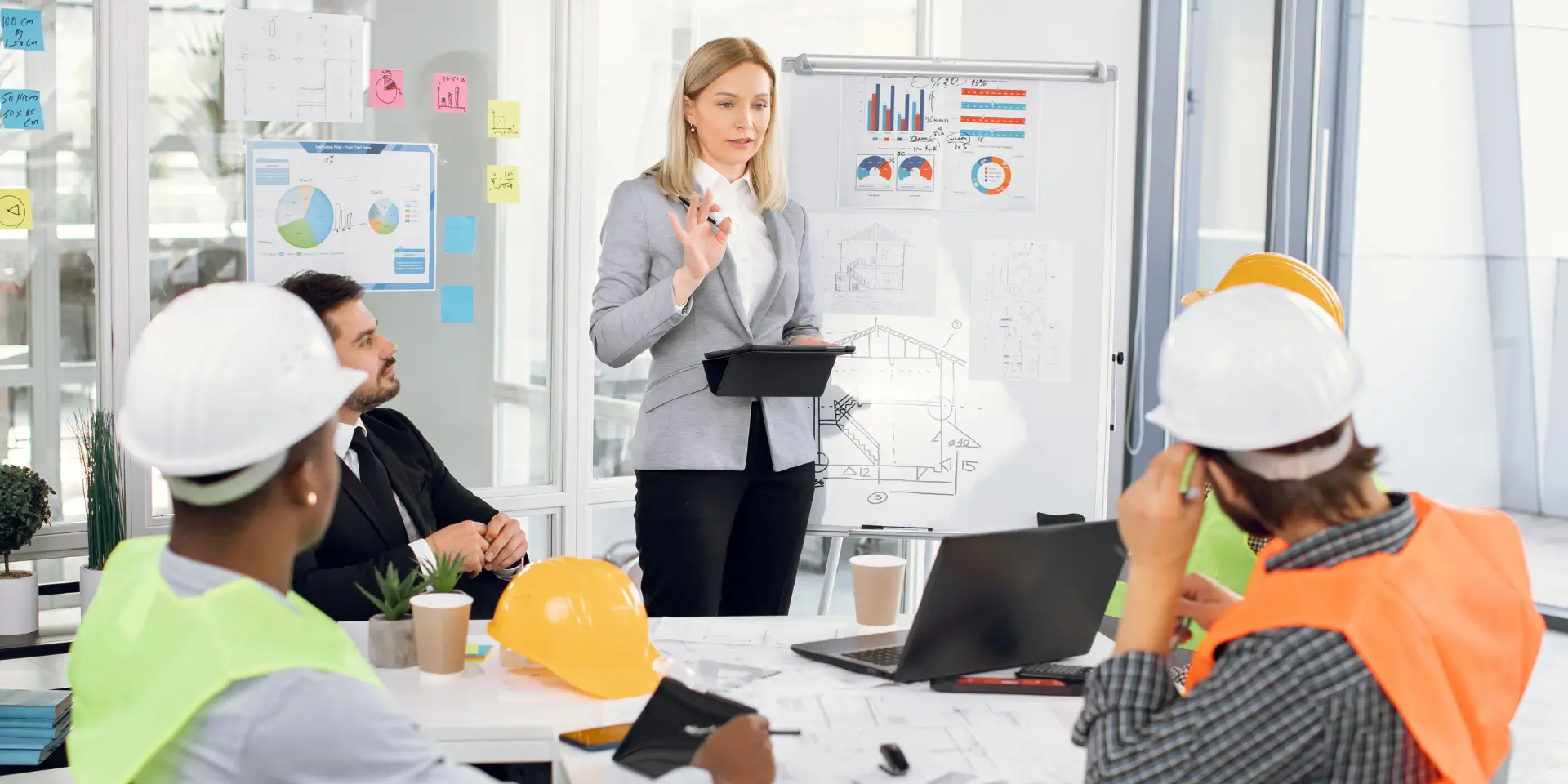
Successful construction projects begin long before excavation starts or materials arrive on site. One of the most important early steps in the building process is the pre-construction meeting.
Pre-construction meetings bring together the builder, architect, engineers, and client to align expectations, review plans, and address potential challenges before construction begins. These discussions help ensure the project moves forward efficiently while minimizing costly delays, miscommunication, and design conflicts.
For complex residential construction projects in Los Angeles—especially hillside homes, luxury renovations, or custom builds—pre-construction coordination plays a critical role in achieving a smooth construction process.
What Is a Pre-Construction Meeting?
A pre-construction meeting is a planning session held before construction begins. It brings together the key professionals involved in the project to review the design, construction logistics, and project goals.
The meeting typically includes:
- the homeowner or developer
- the architect or design team
- the general contractor
- structural engineers
- project managers
- sometimes consultants such as geotechnical engineers or landscape architects
The purpose is to confirm that everyone understands the project scope and that the construction plan reflects the design intent, structural requirements, and practical realities of the building process.
Why Pre-Construction Planning Is Essential
Even the most well-designed plans can contain details that require clarification once construction logistics are considered.
Pre-construction meetings help identify potential issues before they impact the schedule or construction quality. By reviewing the plans collaboratively, the team can coordinate structural systems, material selections, sequencing, and site logistics.
This early alignment improves communication and reduces the likelihood of mid-construction changes that can slow progress or complicate the build.
In complex residential projects, this preparation is often the difference between a smooth construction experience and one that encounters avoidable obstacles.
Reviewing the Architectural Plans
One of the primary focuses of the pre-construction meeting is a detailed review of the architectural drawings.
During this process, the builder and engineers evaluate the design from a construction perspective. They look closely at:
- structural details
- material transitions
- ceiling heights and framing systems
- window and door specifications
- mechanical, electrical, and plumbing coordination
The goal is to ensure the design can be executed accurately while maintaining the architect’s vision.
Builders may also identify areas where minor adjustments can improve constructability or long-term durability without changing the overall design.
Aligning Structural and Engineering Systems
Modern residential construction relies on careful coordination between structural, mechanical, electrical, and plumbing systems.
During the pre-construction meeting, engineers and contractors review how these systems interact within the structure.
Topics may include:
- structural framing layouts
- load-bearing elements
- shear walls and seismic requirements
- HVAC system routing
- electrical panel locations
- plumbing stack coordination
Aligning these systems early helps avoid conflicts later during construction when walls, ceilings, and structural elements are already in place.
Planning Construction Logistics
Pre-construction meetings also address the practical realities of building the project.
Construction logistics can significantly affect schedule efficiency and site safety. The team reviews factors such as:
- site access
- material staging areas
- crane or equipment requirements
- neighborhood constraints
- hillside access limitations if applicable
In dense Los Angeles neighborhoods or hillside locations, these logistical considerations are especially important.
Planning ahead allows the construction team to coordinate deliveries, manage site conditions, and maintain safety throughout the build.
Establishing Clear Communication Channels
Construction projects involve many professionals working together over an extended period. Clear communication is essential to keeping the project organized and on schedule.
Pre-construction meetings establish:
- primary points of contact
- project management protocols
- communication procedures for design updates
- documentation and approval processes
When everyone understands how information will be shared and decisions will be made, the entire project operates more smoothly.
Defining Project Milestones
Another key objective of the pre-construction phase is confirming the project timeline and construction milestones.
While schedules can evolve as the project progresses, establishing key phases helps everyone understand how the work will unfold.
Typical milestones may include:
- site preparation and excavation
- foundation and structural framing
- exterior envelope completion
- interior systems installation
- finishing phases
With clear milestones in place, the project team can coordinate trades effectively and track progress as construction advances.
Managing Expectations for the Build
Pre-construction meetings are also an opportunity for clients to better understand how the building process works.
Builders often explain:
- construction sequencing
- site safety procedures
- inspection requirements
- how design changes may affect construction
These discussions help clients feel more confident and informed as their project moves into the building phase.
Clear expectations early in the process create a stronger working relationship between the homeowner and the construction team.
Why Coordination Matters in Complex Projects
Luxury homes, hillside construction, and architect-designed residences often involve intricate structural systems and custom materials.
These projects require close collaboration between designers and builders. Pre-construction meetings ensure that all parties are aligned before construction begins.
This coordination protects the integrity of the design while helping the builder execute the project efficiently.
Final Thoughts
A successful construction project is built on careful planning and strong collaboration.
Pre-construction meetings allow architects, engineers, builders, and clients to align their goals, review technical details, and anticipate challenges before construction begins.
When these discussions happen early in the process, the entire project benefits from improved communication, clearer expectations, and a more efficient path from design to completion.
For complex residential projects in Los Angeles, thoughtful pre-construction planning is an essential step in delivering a successful build.
FAQs
What happens in a pre-construction meeting?
A pre-construction meeting brings together the builder, architect, engineers, and client to review project plans, discuss construction logistics, coordinate structural systems, and align expectations before construction begins.
Why are pre-construction meetings important?
They help identify potential issues early, improve coordination between professionals, and reduce the likelihood of delays or design conflicts during construction.
Who attends a pre-construction meeting?
Typical participants include the homeowner, general contractor, architect, structural engineers, project managers, and sometimes consultants such as geotechnical engineers.
When should a pre-construction meeting take place?
Pre-construction meetings are usually held after the architectural and engineering plans are completed but before construction begins.
Can pre-construction planning help prevent delays?
Yes. Early coordination allows the team to resolve design details, logistics, and engineering considerations before work starts, which helps prevent delays later in the project.