

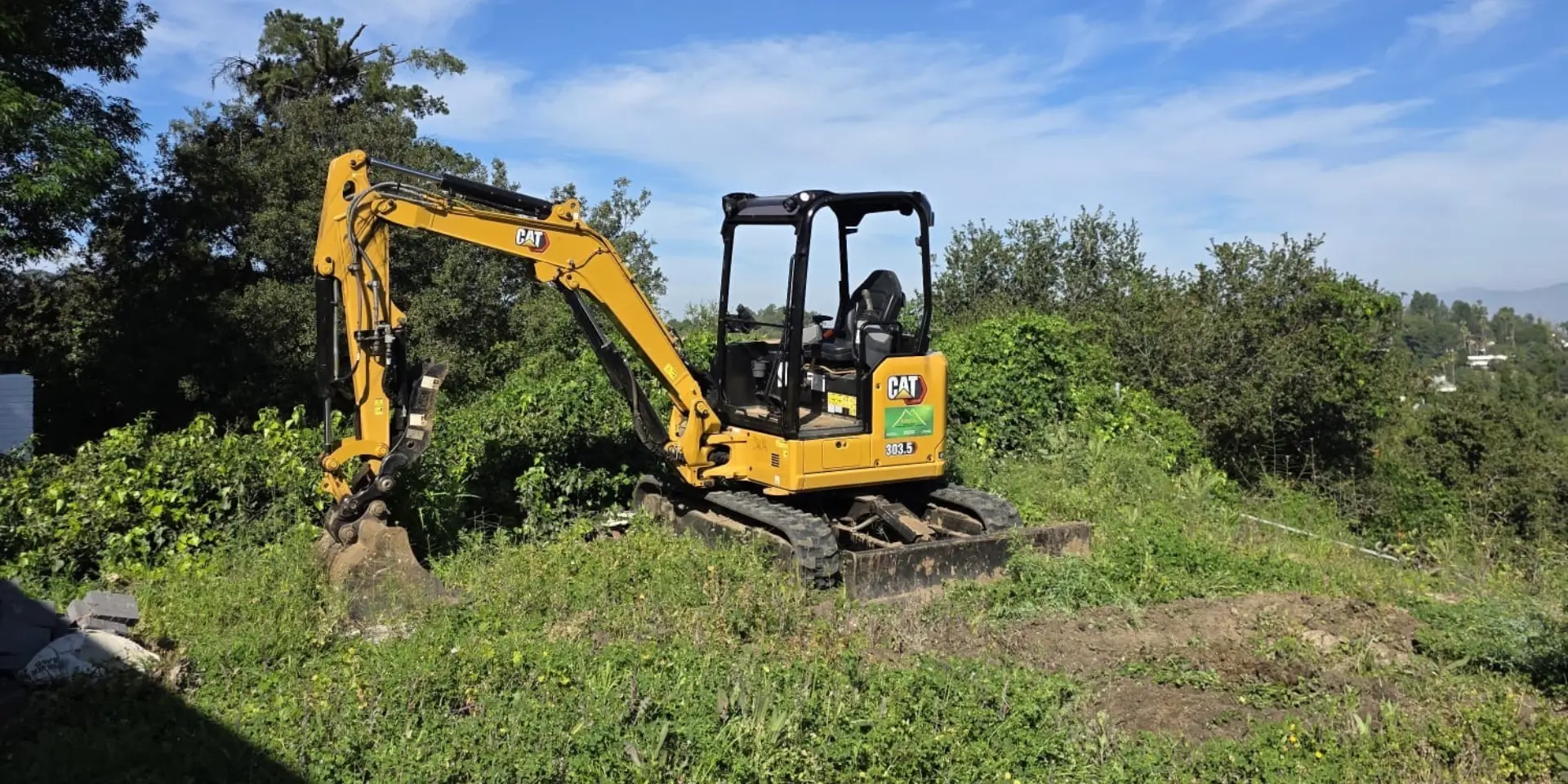
Every successful construction project begins long before framing, concrete, or architectural finishes appear on site. One of the most critical phases in any residential or commercial build is site preparation.
Site preparation transforms raw land into a stable, buildable foundation for construction. It involves a series of technical processes—such as surveying, excavation, grading, and soil stabilization—that ensure the project can proceed safely and efficiently.
In complex construction environments like Los Angeles, where projects may involve hillside terrain, tight urban lots, or challenging soil conditions, proper site preparation is essential for long-term structural performance.
What Is Site Preparation in Construction?
Site preparation is the process of preparing a property for construction before foundation work begins.
This phase ensures the land can safely support the structure and that the site is organized for efficient building operations.
Site preparation may include:
- land surveying
- clearing and demolition
- excavation
- grading and leveling
- soil stabilization
- drainage planning
- utility installation preparation
Each of these steps plays an important role in creating the conditions necessary for a successful build.
Land Surveying and Site Analysis
The first step in site preparation is a detailed survey of the property.
Surveyors evaluate the site to determine:
- property boundaries
- elevation changes
- slope conditions
- existing structures or obstacles
- utility locations
- drainage patterns
Accurate surveying ensures that the building footprint is positioned correctly and that construction plans align with the physical realities of the site.
For hillside projects or complex lots, survey data is especially important for coordinating architectural design with engineering requirements.
Clearing and Demolition
Before excavation can begin, the site must be cleared of any existing obstacles.
This process may include:
- removing vegetation
- demolishing existing structures
- clearing debris and rocks
- removing old foundations or paving
Proper clearing ensures that the construction area is free of obstructions and ready for grading and excavation.
In urban environments, demolition work must also consider nearby structures and neighborhood safety.
Excavation and Earthwork
Excavation is one of the most visible parts of site preparation. During this phase, contractors reshape the land to match the building plans.
Excavation may involve:
- digging for foundations
- creating basement levels
- forming hillside building pads
- removing unstable soil
- preparing underground utility pathways
In hillside construction, excavation must be carefully coordinated with slope stabilization measures and structural engineering requirements.
Heavy equipment is typically used to move soil and prepare the site efficiently.
Grading and Leveling the Site
Grading is the process of shaping the land to ensure proper slope, drainage, and foundation support.
Proper grading helps control water movement across the property and prevents water from pooling around the structure.
Grading plans are designed to:
- direct water away from foundations
- create level surfaces for construction
- establish driveway access
- support landscape design
Incorrect grading can lead to long-term drainage issues, making this step a critical component of site preparation.
Soil Stabilization and Compaction
Not all soil conditions are suitable for construction without additional preparation.
Engineers often analyze soil conditions through a geotechnical study, which determines how the ground will behave under the weight of the structure.
If soil conditions require improvement, contractors may use stabilization techniques such as:
- soil compaction
- engineered fill
- chemical soil stabilization
- installation of structural supports
Proper compaction is particularly important because it prevents uneven settlement after the structure is built.
Planning Drainage Systems Early
Water management is one of the most important aspects of site preparation.
Poor drainage can cause erosion, foundation movement, and long-term structural problems.
During site preparation, engineers and builders design drainage systems that may include:
- surface grading for water runoff
- underground drainage pipes
- stormwater control systems
- retaining wall drainage solutions
Planning drainage early ensures that the site remains stable and that water is directed safely away from the building.
Preparing for Utility Installation
Another key step during site preparation is planning for utilities.
Before construction begins, contractors coordinate locations for:
- water supply lines
- sewer connections
- electrical service
- gas lines
- communication infrastructure
Proper coordination prevents conflicts between utility systems and structural elements later in the construction process.
Site Access and Construction Logistics
Site preparation also addresses how construction operations will function throughout the project.
Builders evaluate:
- equipment access routes
- material delivery areas
- worker safety zones
- temporary storage areas
On tight urban lots or hillside sites, careful planning ensures that construction can proceed efficiently without disrupting surrounding properties.
Why Experienced Builders Prioritize Site Preparation
Although site preparation happens before the visible stages of construction, it plays a major role in the long-term success of a project.
Well-prepared sites provide:
- stable foundations
- proper drainage
- efficient construction workflow
- fewer structural complications later in the build
Experienced builders invest significant attention in this phase because mistakes during site preparation can lead to costly problems later in the project.
Final Thoughts
Site preparation sets the stage for every successful construction project. From surveying and excavation to grading and soil stabilization, each step ensures the land is ready to support the structure safely.
When performed carefully and coordinated with engineers and architects, site preparation creates the foundation for efficient construction and long-term structural stability.
For complex residential builds in Los Angeles—especially hillside homes and luxury properties—this early phase is one of the most important steps in the entire construction process.
FAQs
What is site preparation in construction?
Site preparation is the process of preparing land for construction through surveying, clearing, excavation, grading, and soil stabilization before building begins.
Why is site preparation important?
Site preparation ensures the land can safely support the structure, improves drainage, and helps prevent long-term structural issues.
What happens during site excavation?
Excavation involves removing soil or rock to create space for foundations, basements, and underground utilities.
How does grading affect construction?
Grading shapes the land to control water drainage and create stable surfaces for building foundations and access areas.
Can poor site preparation cause structural problems?
Yes. Improper grading, unstable soil, or inadequate drainage can lead to foundation movement, erosion, or long-term structural issues.