

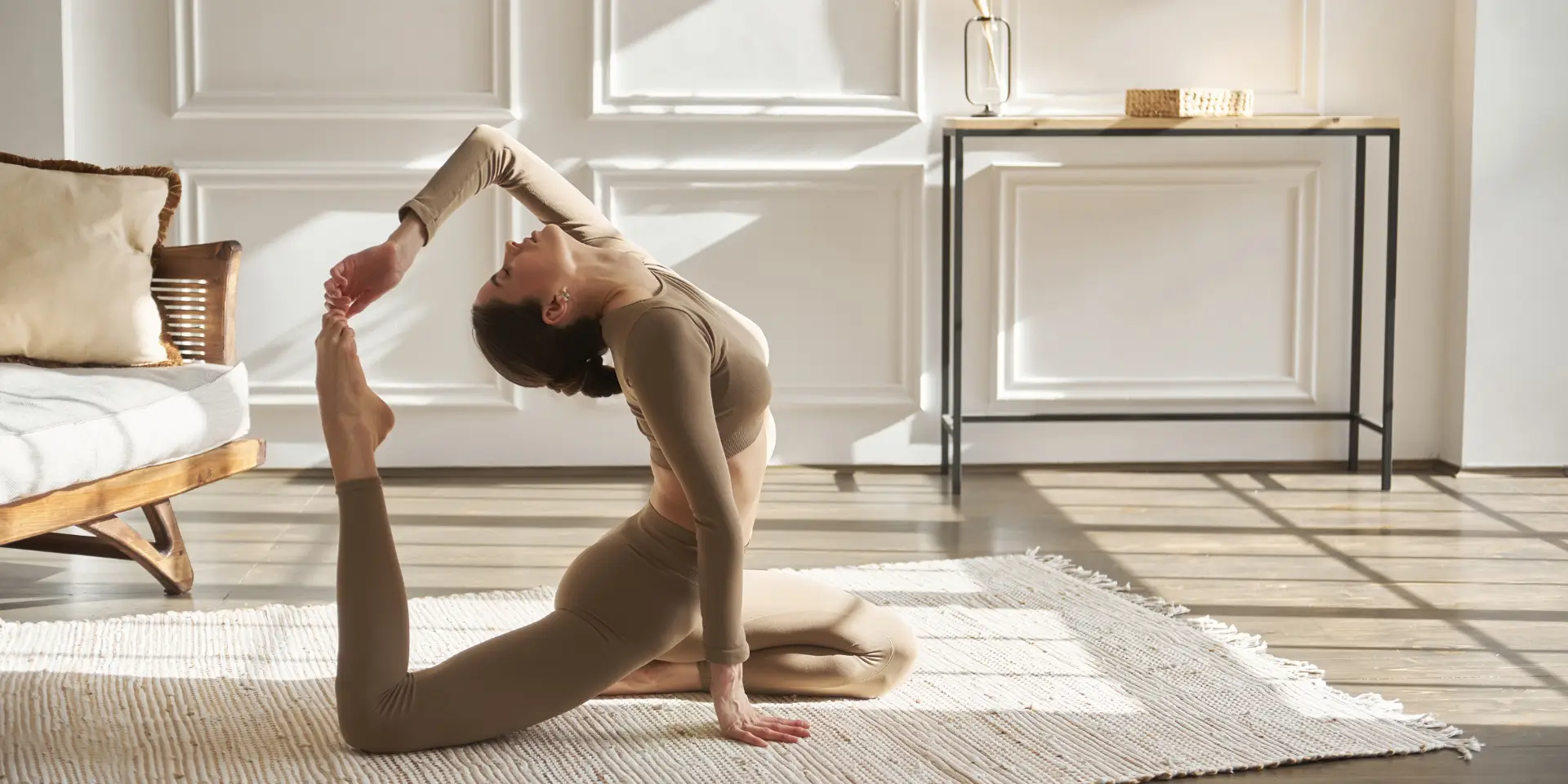
Introduction: When Design Meets Well-Being
In Los Angeles, where lifestyle and innovation intersect, a new movement is shaping the future of residential design—wellness architecture. This growing trend goes beyond aesthetics and focuses on creating spaces that actively improve health, mood, and quality of life.
From biophilic design and purified air systems to circadian lighting and sustainable materials, wellness architecture integrates science, technology, and design to make homes truly nurturing environments. For Saban Global, every project is an opportunity to build not just houses—but healthier, more harmonious living spaces.
What Is Wellness Architecture?
Wellness architecture is the intentional design and construction of spaces that support physical, mental, and emotional well-being. It blends architecture, sustainability, and health science to create environments that:
- Improve air and water quality.
- Maximize natural light and ventilation.
- Reduce exposure to toxins and allergens.
- Promote movement, relaxation, and mindfulness.
- Support restorative sleep and productivity.
Unlike conventional design, which prioritizes form and function, wellness architecture focuses on how space makes people feel and perform. It’s about designing for human health first—and beauty second.
Why Wellness Architecture Is Thriving in Los Angeles
Los Angeles is uniquely positioned to lead this design revolution:
1. Health-Conscious Culture
LA residents have long been pioneers of wellness lifestyles—from organic food and yoga to biohacking and longevity science. Wellness architecture naturally extends this mindset into the home.
2. Climate Advantage
Year-round sunlight and access to nature make LA an ideal canvas for wellness-centered design. Open layouts, light-filled rooms, and outdoor integration thrive in this climate.
3. Sustainability Movement
California’s energy codes and environmental consciousness align perfectly with the principles of wellness architecture, which values eco-friendly, toxin-free building practices.
4. Technology Integration
Smart home systems in Los Angeles now go beyond convenience—they’re enhancing physical and mental health through personalized environmental control.
Core Elements of Wellness Architecture
1. Air Quality & Ventilation
Clean air is the foundation of a healthy home. Saban Global incorporates advanced HVAC systems with HEPA and activated carbon filters, natural ventilation paths, and low-VOC materials. This helps reduce allergens, dust, and volatile compounds that impact respiratory health.
2. Natural Light & Circadian Lighting
Exposure to natural daylight regulates the body’s circadian rhythm. Wellness homes use large windows, light wells, and dynamic lighting systems that shift in color and brightness throughout the day to mimic natural sunlight—supporting better sleep and focus.
3. Water Filtration & Hydration Systems
Whole-home filtration systems ensure clean, mineral-rich water for drinking, bathing, and cooking. Saban Global integrates reverse osmosis systems and smart monitors to ensure water purity remains consistent.
4. Biophilic Design Principles
Biophilic design connects humans with nature by incorporating natural materials, organic forms, greenery, and views of outdoor spaces. Studies show biophilic spaces can reduce stress by up to 15% and improve cognitive function.
5. Acoustic Wellness
Sound pollution can harm mental health. By integrating acoustic insulation, sound-dampening materials, and smart design (like sound buffers and soft finishes), wellness homes create a calm, quiet atmosphere—especially valuable in dense LA neighborhoods.
6. Non-Toxic and Sustainable Materials
Saban Global avoids harmful materials like formaldehyde and PVC, opting instead for lime plaster, bamboo, reclaimed wood, and non-toxic paints. These choices improve indoor air quality and reduce the home’s environmental footprint.
7. Spatial Flow & Mindfulness Design
Spaces designed with smooth transitions, balanced proportions, and natural symmetry promote mental clarity and relaxation. Mindful architecture encourages movement and connection rather than confinement.
The Science Behind Healthier Homes
Wellness architecture isn’t just philosophy—it’s backed by research:
- The World Health Organization reports that indoor air pollution causes more deaths globally than outdoor pollution.
- Studies by Harvard’s T.H. Chan School of Public Health link improved ventilation and lighting with higher cognitive performance.
- The Delos WELL Building Institute found that people in wellness-certified environments experience 26% better sleep quality and 30% fewer sick days.
These findings prove that the way a home is built directly impacts how well its occupants live.
Integrating Technology for Healthier Homes
Modern wellness architecture seamlessly integrates technology with design. Saban Global leverages:
- Smart HVAC Systems that monitor indoor air quality in real-time.
- Dynamic Glass Windows that automatically adjust tint to optimize light levels.
- Smart Lighting Systems synced with circadian rhythms.
- Wellness Apps that personalize home settings based on resident health data.
- Smart Water Sensors to detect contamination or leaks instantly.
These technologies combine convenience with measurable health benefits.
Designing for Mindfulness and Emotional Wellness
Wellness architecture is as much about emotional health as physical health. Homes that nurture peace, balance, and focus create better mental clarity.
Design elements include: – Meditation Rooms – Soundproofed, light-balanced spaces for reflection.
– Indoor Gardens – Bringing greenery indoors to reduce anxiety.
– Minimalist Layouts – Decluttered environments that promote focus and serenity.
– Natural Materials – Wood, stone, and clay textures that ground occupants emotionally.
– Connection Zones – Family areas designed to encourage interaction and community.
The Economic and Lifestyle Benefits of Wellness Homes
Homes built with wellness architecture not only improve health—they also increase property value. In Los Angeles, buyers are willing to pay a premium for homes that feature: – Superior air and water quality systems.
– Smart climate and lighting control.
– Biophilic and sustainable design.
These homes also have lower long-term maintenance costs and reduced energy bills, offering both emotional and financial ROI.
Expert Insights: The Future of Wellness Architecture in LA
As demand for healthier living environments grows, the future of residential design will increasingly integrate:
– Net-zero energy construction.
– AI-driven environmental monitoring.
– Modular wellness pods for meditation, fitness, or recovery.
– Expanded outdoor wellness spaces featuring saunas, plunge pools, and yoga decks.
Saban Global’s vision combines these innovations with timeless design principles to create spaces that heal, inspire, and connect.
FAQs
Q: What makes a home a ‘wellness home’?
A: A wellness home integrates design, materials, and technology to promote air quality, natural light, comfort, and emotional well-being.
Q: How much does wellness architecture add to home value?
A: Wellness-focused homes typically sell faster and at a premium, especially in the Los Angeles luxury market where health and sustainability are top buyer priorities.
Q: Is wellness architecture only for new homes?
A: No. Existing homes can be remodeled with wellness features such as advanced ventilation, non-toxic finishes, and circadian lighting systems.
Q: Can Saban Global design a custom wellness home?
A: Absolutely. Saban Global specializes in integrating health-focused architecture, technology, and design for LA homeowners seeking long-term well-being.
Q: What’s the difference between green building and wellness architecture?
A: Green building focuses on sustainability and environmental impact, while wellness architecture centers on human health and how occupants feel inside the home.
Q: Are wellness homes more expensive to build?
A: While the upfront investment may be slightly higher, lower utility bills, healthier air, and higher resale value make it a cost-effective long-term choice.
Conclusion: Building for a Healthier Future
As Los Angeles embraces the next generation of design, wellness architecture is redefining how we live. By focusing on the connection between people and their environments, homeowners can create spaces that not only look beautiful but enhance daily life.
Saban Global continues to pioneer this movement, combining sustainable construction, science-backed design, and human-centered architecture to build the future of healthy living.
Contact Saban Global today to explore how wellness-focused design can elevate your home and well-being.