

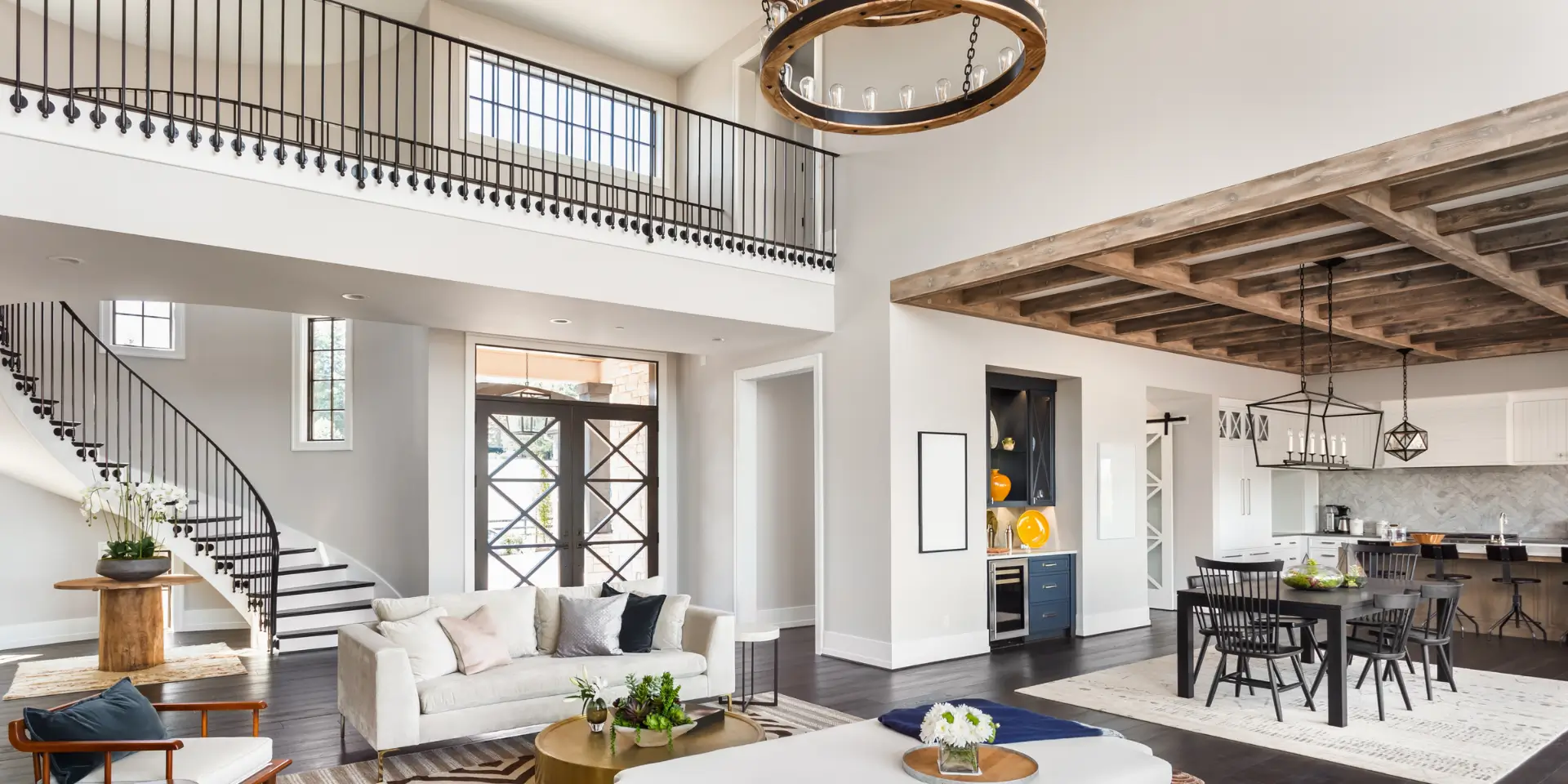
Building a luxury home in Los Angeles is more than a construction project—it is an opportunity to create a residence that reflects your lifestyle, architectural vision, and long-term goals. Whether you envision a contemporary hillside retreat overlooking the city, a timeless estate in Brentwood, or a modern custom home in Pacific Palisades, every successful project begins with careful planning and realistic budgeting.
One of the first questions homeowners ask is, “How much does it cost to build a luxury home in Los Angeles?” While there is no universal answer, understanding the factors that influence construction costs allows homeowners to make informed decisions before purchasing land, hiring an architect, or selecting a builder.
Unlike purchasing an existing home, custom construction involves far more than the cost of materials and labor. Site conditions, engineering requirements, permitting, architectural complexity, finish selections, and project management all contribute to the final investment.
For homeowners planning a luxury custom home, understanding these cost drivers early helps reduce surprises, improve budgeting accuracy, and create a smoother building experience.
Why Every Luxury Home Has a Different Price
No two custom homes are exactly alike.
Unlike production homes that follow standardized plans and predictable construction methods, luxury residences are individually designed around the homeowner’s vision and the unique characteristics of the property.
Several variables influence the overall investment, including:
- Property location
- Lot size and topography
- Architectural design
- Structural complexity
- Engineering requirements
- Interior finish selections
- Outdoor living features
- Construction timeline
- Local permitting requirements
Because every project is unique, experienced builders develop project-specific budgets rather than relying on generic pricing formulas.
This personalized approach produces far more accurate expectations while allowing homeowners to make informed decisions throughout the planning process.
Location Plays a Major Role
Where you build matters just as much as what you build.
Los Angeles is made up of neighborhoods with dramatically different construction challenges. A flat lot in one community may require relatively straightforward site preparation, while a nearby hillside property could involve extensive engineering, grading, retaining structures, and specialized foundations.
Neighborhoods commonly associated with luxury custom homes include:
- Brentwood
- Bel Air
- Beverly Hills
- Pacific Palisades
- Hollywood Hills
- Encino
- Sherman Oaks
- Studio City
- Manhattan Beach
- Malibu
Each location presents different site conditions, permitting requirements, utility access, and logistical considerations that influence the overall construction process.
Local experience becomes especially valuable when navigating jurisdiction-specific requirements.
The Lot Itself Can Influence Your Budget
Many homeowners focus primarily on the home they want to build while underestimating the importance of the property itself.
The characteristics of the lot often determine how complex construction will become.
Important site considerations include:
- Natural slope
- Soil conditions
- Existing structures
- Utility availability
- Drainage patterns
- Property access
- Tree preservation requirements
- Neighboring structures
For example, a steep hillside lot may require substantial excavation, retaining walls, caissons, and specialized drainage systems before vertical construction can even begin.
These site-specific requirements are among the biggest reasons why two homes of similar size can have significantly different construction costs.
Architectural Complexity Matters
Luxury homes are defined by customization.
Modern architecture often incorporates dramatic cantilevers, expansive glass walls, floating staircases, large open spans, and seamless indoor-outdoor living spaces. While these features create extraordinary homes, they also require additional engineering and specialized construction techniques.
Architectural elements that often increase complexity include:
- Large structural openings
- Floor-to-ceiling glass
- Flat roof systems
- Steel structural framing
- Floating architectural features
- Multi-level layouts
- Extensive custom detailing
None of these features are negative—they simply require greater planning, coordination, and craftsmanship than conventional residential construction.
The more customized the design becomes, the greater the emphasis on collaboration between architects, structural engineers, and builders.
Site Preparation Is Often Underestimated
Before construction begins, significant work may already be required to prepare the property.
Site preparation establishes the foundation for the entire project and frequently includes activities that homeowners never see once construction is complete.
Preparation may involve:
- Demolition of existing structures
- Clearing vegetation
- Rough grading
- Utility coordination
- Temporary erosion control
- Excavation
- Soil stabilization
- Site surveying
Although these activities occur before framing begins, they are essential to creating a stable and buildable site.
Proper preparation also helps reduce delays later in construction.
Hillside Construction Requires Specialized Engineering
Los Angeles is known for its iconic hillside homes.
These properties offer breathtaking views and exceptional architectural opportunities, but they also introduce engineering challenges that require specialized expertise.
Depending on site conditions, hillside construction may require:
- Geotechnical investigations
- Structural engineering analysis
- Caisson foundations
- Retaining wall systems
- Advanced drainage solutions
- Soil stabilization
- Slope reinforcement
- Specialized excavation methods
Each of these systems works together to ensure the long-term safety and stability of the home.
While hillside construction often involves greater upfront investment, it also enables some of Southern California’s most remarkable residential architecture.
Foundation Systems Are Unique to Each Property
The foundation of a luxury home is far more than a concrete slab.
Foundation design depends entirely on the property’s soil conditions, structural loads, and engineering recommendations.
Different sites may require different foundation strategies based on:
- Soil bearing capacity
- Groundwater conditions
- Slope characteristics
- Structural design
- Seismic considerations
Because Southern California is located in an active seismic region, foundations must also satisfy strict structural requirements designed to improve long-term performance and resilience.
Proper foundation engineering protects the investment for decades to come.
Material Selection Has a Significant Impact
Luxury homes are distinguished by the quality of their materials.
Rather than selecting finishes based solely on appearance, homeowners often prioritize durability, craftsmanship, and timeless design.
Premium materials may include:
- Natural stone
- Architectural concrete
- Hardwood flooring
- Custom cabinetry
- Imported tile
- Designer plumbing fixtures
- High-performance windows
- Architectural metalwork
Material choices influence not only construction costs but also long-term maintenance, energy efficiency, and resale value.
Experienced builders help homeowners evaluate these selections to achieve the right balance between aesthetics and long-term performance.
Custom Features Create One-of-a-Kind Homes
One of the defining characteristics of luxury residential construction is personalization.
Unlike production homes, custom residences often incorporate features specifically designed around the homeowner’s lifestyle.
Examples include:
- Wine cellars
- Home theaters
- Wellness spaces
- Private gyms
- Indoor courtyards
- Resort-style pools
- Outdoor kitchens
- Detached guest houses
- Elevator systems
- Smart home automation
These custom spaces contribute to the uniqueness of each project while requiring additional planning and coordination during design and construction.
Mechanical Systems Continue to Evolve
Today’s luxury homes incorporate significantly more technology than homes built even ten years ago.
Modern mechanical systems are expected to provide exceptional comfort, efficiency, and convenience while remaining largely invisible within the architecture.
Many custom homes now integrate:
- High-efficiency HVAC systems
- Zoned climate control
- Advanced indoor air quality systems
- Whole-home water filtration
- Smart lighting controls
- Security integration
- Automated shading systems
- Energy management technology
Planning these systems early helps ensure seamless integration with the overall architectural design.
Interior Design Influences the Final Investment
Interior design decisions extend far beyond selecting paint colors or furniture.
Luxury homes often include custom architectural details that require close collaboration between interior designers, architects, and builders.
Interior investments frequently include:
- Custom millwork
- Designer lighting
- Built-in furniture
- Premium flooring
- Architectural wall treatments
- Specialty ceilings
- Luxury appliance packages
- Bespoke hardware
These details create a cohesive living environment that reflects the homeowner’s personal style while enhancing the home’s long-term value.
Outdoor Living Has Become an Extension of the Home
Luxury living in Southern California extends far beyond the interior walls of a residence. Thanks to the region’s mild climate, outdoor spaces are no longer viewed as optional amenities—they are carefully designed extensions of the home’s living environment.
Many homeowners choose to invest in outdoor features that support entertaining, relaxation, and year-round enjoyment.
Popular outdoor living elements include:
- Resort-style swimming pools
- Spa and wellness areas
- Outdoor kitchens
- Covered patios
- Fire features
- Lounge areas
- Outdoor dining spaces
- Landscape lighting
- Custom water features
- Integrated audio systems
These features require coordination between architects, landscape designers, pool consultants, and builders to ensure they integrate seamlessly with the home’s architecture.
When planned together rather than as future additions, outdoor living spaces often feel more cohesive and enhance the overall value of the property.
Don’t Overlook Soft Costs
Many homeowners focus primarily on construction expenses while overlooking the professional services required before and during construction.
These “soft costs” are an essential part of every luxury home project and should be included in the overall budget from the beginning.
Soft costs commonly include:
- Architectural design
- Structural engineering
- Civil engineering
- Geotechnical reports
- Land surveying
- Energy compliance documentation
- Interior design services
- Landscape architecture
- Permit and plan check fees
- Utility coordination
- Insurance and financing costs
Although these services are not visible once construction is complete, they play a critical role in ensuring the project is properly designed, engineered, and approved.
Working with experienced professionals early in the process often helps avoid costly revisions later.
Permitting Requires Time and Planning
Luxury residential construction in Los Angeles involves a detailed permitting process designed to ensure safety, code compliance, and environmental responsibility.
Depending on the property’s location and project scope, approvals may involve multiple agencies and specialized reviews.
Projects may require coordination related to:
- Building permits
- Grading permits
- Hillside regulations
- Structural review
- Drainage requirements
- Utility connections
- Environmental considerations
Permitting timelines vary from project to project, making early planning an important part of maintaining an efficient construction schedule.
An experienced builder can help homeowners understand the process and prepare complete documentation before submission.
Sustainability Is Becoming a Standard Expectation
Luxury homebuyers increasingly expect homes to perform as well as they look.
Energy efficiency, water conservation, and environmentally responsible construction practices have become standard considerations rather than premium upgrades.
Common sustainable features include:
- High-performance insulation
- Energy-efficient windows
- Solar-ready infrastructure
- Smart irrigation systems
- Water-efficient fixtures
- LED lighting
- Electric vehicle charging
- High-efficiency mechanical equipment
These features can improve comfort, reduce long-term operating costs, and contribute to the home’s overall value.
Budgeting for the Unexpected
Even the most carefully planned custom home projects can encounter unforeseen conditions.
Subsurface discoveries, utility relocations, weather events, material availability, or owner-requested design changes may require adjustments during construction.
For this reason, experienced builders encourage homeowners to include a contingency within their overall project budget.
A contingency fund helps provide flexibility while allowing important decisions to be made without unnecessary financial pressure.
Planning for uncertainty is a sign of responsible project management—not pessimism.
Common Budgeting Mistakes to Avoid
Many cost overruns can be traced back to decisions made long before construction begins.
Understanding these common mistakes helps homeowners approach their projects with greater confidence.
Some of the most frequent budgeting challenges include:
- Purchasing a difficult lot without understanding site conditions
- Beginning design before establishing a realistic budget
- Making significant design changes during construction
- Delaying engineering coordination
- Choosing contractors based solely on the lowest proposal
- Underestimating permitting timelines
- Forgetting to budget for landscaping and exterior improvements
- Not allowing for contingency planning
Avoiding these issues often leads to a smoother construction experience and more predictable financial outcomes.
Why Early Collaboration Saves Money
One of the smartest investments homeowners can make is assembling the right team early.
Rather than treating architecture, engineering, and construction as separate processes, successful luxury projects encourage collaboration from the beginning.
Early coordination allows the team to:
- Evaluate site opportunities and constraints
- Align design with construction feasibility
- Improve budget accuracy
- Reduce redesigns
- Identify cost-saving opportunities without sacrificing quality
- Develop realistic construction schedules
This integrated approach helps eliminate surprises while improving both efficiency and project outcomes.
The Value of Choosing the Right Builder
Luxury home construction involves hundreds of decisions, dozens of specialized trades, and months of careful coordination.
The builder serves as the central point of leadership throughout this process.
Beyond constructing the home, an experienced luxury builder helps:
- Coordinate consultants
- Manage budgets
- Develop construction schedules
- Supervise quality
- Communicate project progress
- Resolve field challenges
- Protect the architectural vision
Choosing a builder with experience in custom residential construction can make a significant difference in both the building experience and the finished result.
Rather than simply executing plans, the right builder becomes a trusted partner from pre-construction through final completion.
Building for Long-Term Value
While construction costs are an important consideration, homeowners should also think about long-term value.
A well-designed and professionally constructed luxury home offers benefits that extend far beyond the initial investment.
Long-term value may include:
- Exceptional durability
- Improved energy efficiency
- Lower maintenance requirements
- Stronger resale appeal
- Better functionality
- Timeless architectural design
Making thoughtful decisions during planning often reduces future maintenance while increasing enjoyment for years to come.
The goal is not simply to build a beautiful home—it is to build one that continues to perform at a high level for decades.
Planning Your Investment with Confidence
Every luxury home project begins with a vision, but successful projects are guided by informed decision-making.
Understanding the many factors that influence construction costs allows homeowners to establish realistic expectations and prioritize investments that deliver the greatest value.
From selecting the right property to coordinating design professionals and choosing experienced builders, every decision contributes to the overall success of the project.
Careful planning today helps prevent unnecessary costs tomorrow.
Final Thoughts
Building a luxury home in Los Angeles is a highly personalized journey that combines architecture, engineering, craftsmanship, and thoughtful planning. While construction costs vary based on site conditions, design complexity, material selections, and project scope, understanding these variables empowers homeowners to make confident decisions from the very beginning.
Rather than focusing solely on a single cost figure, homeowners should view their investment as the sum of many interconnected decisions. Site preparation, engineering, permitting, construction quality, and long-term performance all play an important role in the value of the finished home.
Working with an experienced luxury builder early in the planning process helps establish realistic budgets, improve project coordination, and reduce unexpected challenges throughout construction.
Whether you’re building on a flat lot, developing a challenging hillside property, or creating a fully customized estate, investing in careful planning is one of the most valuable decisions you can make.
At Saban Global, we work closely with homeowners, architects, engineers, and consultants to deliver luxury residential projects that combine exceptional craftsmanship with disciplined project management. If you’re planning to build a custom home in Los Angeles, our team can help you navigate every stage of the process—from early planning and budgeting through construction and final completion.
FAQs
How much does it cost to build a luxury home in Los Angeles?
The total investment depends on factors such as location, lot conditions, architectural complexity, engineering requirements, material selections, and project scope. Every luxury home is unique, making project-specific budgeting essential.
What has the biggest impact on construction costs?
Site conditions, architectural design, structural complexity, interior finishes, and specialized features such as pools, outdoor living spaces, or hillside engineering typically have the greatest influence on the final budget.
Are hillside homes more expensive to build?
Hillside homes often require additional engineering, grading, retaining walls, drainage systems, and specialized foundations. While they may involve higher construction complexity, they also provide opportunities for exceptional architectural design and panoramic views.
Should I hire a builder before my plans are complete?
In many cases, yes. Early collaboration between the builder, architect, and engineers can improve budgeting accuracy, identify constructability issues, and help streamline the overall project.
Why are soft costs important?
Soft costs include professional services such as architecture, engineering, permitting, surveying, and design. Although they are not part of the physical construction, they are essential to planning and successfully delivering a luxury home.
How can I keep my project on budget?
Establish a realistic budget early, work with experienced professionals, make design decisions before construction begins whenever possible, maintain open communication, and include a contingency for unexpected conditions.
Is building a custom home a good long-term investment?
A thoughtfully designed and professionally constructed custom home can provide lasting value through improved functionality, higher-quality construction, energy efficiency, timeless design, and stronger long-term market appeal.