

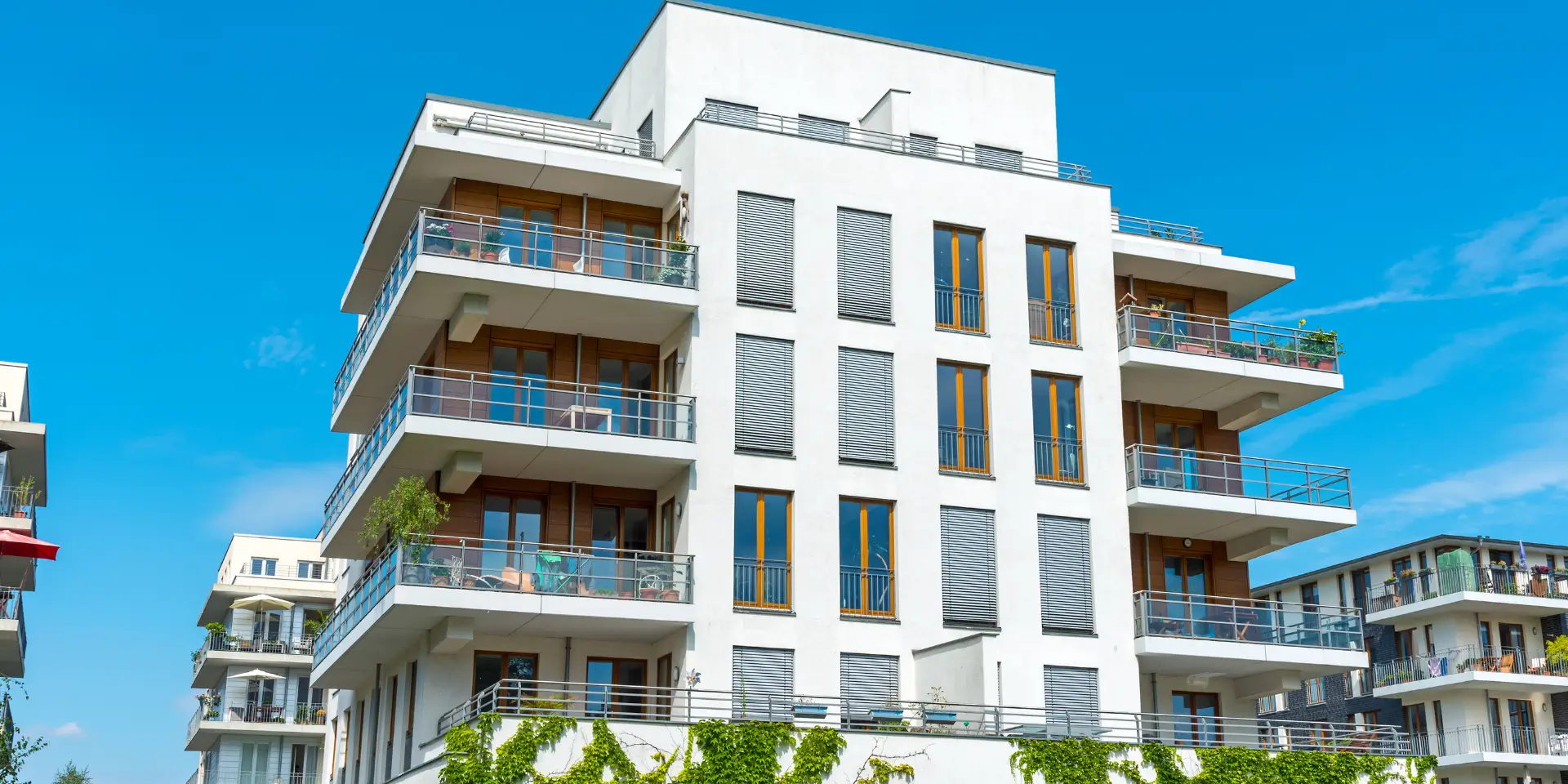
Multifamily construction in Los Angeles continues to be one of the most attractive opportunities for real estate developers. With strong housing demand, limited land availability, and ongoing urban development, well-executed multifamily projects can generate both immediate cash flow and long-term appreciation.
However, maximizing return on investment (ROI) in this market requires far more than simply building residential units. Developers must align site selection, design efficiency, construction strategy, and long-term operations into a cohesive plan.
When these elements are executed correctly, multifamily developments can deliver strong, stable returns while remaining competitive in a demanding market.
Understanding ROI in Multifamily Development
ROI in multifamily construction is driven by the relationship between total development costs and the long-term income generated by the property. While rental income is a primary factor, it is not the only one.
Developers must consider how multiple variables interact over time, including acquisition costs, construction efficiency, operating expenses, and tenant retention.
Key drivers that influence ROI include:
- land acquisition and entitlement costs
- construction budget and timeline
- rental pricing and occupancy rates
- operating efficiency and maintenance costs
- long-term market appreciation
Even small improvements in any of these areas can significantly impact overall project performance.
Strategic Site Selection
The success of a multifamily project often begins with the site itself. In Los Angeles, location plays a critical role in determining both rental demand and long-term value.
Developers typically evaluate proximity to employment centers, access to transportation, neighborhood growth patterns, and zoning potential before acquiring land. Areas undergoing redevelopment or infrastructure improvements often present strong opportunities for future appreciation.
A well-located property not only attracts tenants more easily but also supports higher rental pricing and long-term stability.
Maximizing Density Within Zoning Constraints
Zoning regulations in Los Angeles directly influence how many units can be developed on a site. Developers who understand how to work within these regulations can significantly improve project returns.
Rather than simply meeting zoning limits, experienced teams optimize building layouts to fully utilize allowable density. This may involve refining unit configurations, leveraging height allowances, or incorporating efficient parking solutions.
In some cases, developers may also take advantage of density incentives or zoning bonuses where applicable. Maximizing unit count without compromising livability is one of the most effective ways to increase revenue potential.
Efficient Unit Design and Layout
Unit design has a direct impact on both construction costs and rental performance. Well-designed units can command higher rents while allowing developers to optimize the total number of units within a building.
Modern multifamily layouts emphasize efficiency without sacrificing livability. Open floor plans, access to natural light, and functional kitchen and bathroom designs all contribute to tenant appeal.
Rather than increasing square footage unnecessarily, developers focus on creating spaces that feel comfortable and practical. Efficient layouts often outperform larger but poorly designed units, especially in competitive urban markets.
Controlling Construction Costs Without Sacrificing Quality
Construction costs represent one of the largest variables affecting ROI. Effective cost control requires a balance between efficiency and long-term durability.
Developers often reduce costs by standardizing unit designs, selecting materials that offer both performance and value, and minimizing design changes once construction begins. Working with experienced contractors and maintaining a disciplined construction schedule also plays a critical role.
Avoiding delays and change orders is particularly important, as these can quickly erode profitability. A well-managed construction process ensures that the project stays on budget while maintaining quality standards.
Leveraging Technology for Efficiency
Technology has become a major driver of efficiency in modern multifamily construction. Tools such as Building Information Modeling (BIM) and digital project management platforms allow teams to coordinate more effectively and identify potential issues early.
These systems improve communication between architects, engineers, and contractors, reducing the likelihood of costly errors during construction. In some cases, prefabrication and modular construction methods can also accelerate timelines.
Shorter construction timelines allow developers to begin leasing units sooner, improving cash flow and overall returns.
Designing for Tenant Experience
Tenant experience is a critical factor in maximizing long-term ROI. Properties that attract and retain tenants consistently outperform those that do not.
Developers are increasingly focusing on design features and amenities that enhance daily living. These may include:
- thoughtfully designed common areas
- outdoor spaces such as courtyards or rooftop terraces
- secure access and parking systems
- modern finishes and appliances
- energy-efficient building systems
A strong tenant experience supports higher occupancy rates and reduces turnover, both of which contribute to long-term profitability.
Long-Term Operational Efficiency
Operational performance is just as important as initial development strategy. Once construction is complete, ongoing expenses directly affect net income.
Developers who prioritize efficiency during the design phase can reduce operating costs over time. Durable materials, energy-efficient systems, and well-planned building infrastructure all contribute to lower maintenance and utility expenses.
Smart building technologies can also improve efficiency by allowing property managers to monitor systems and optimize performance. Over time, these savings have a meaningful impact on overall ROI.
Navigating Permits and Regulations
The regulatory environment in Los Angeles can significantly affect project timelines. Delays in permitting or approvals can increase holding costs and postpone revenue generation.
Experienced developers work closely with consultants and local agencies to streamline the approval process. Early coordination and a clear understanding of zoning and building requirements can help prevent unexpected delays.
Efficient navigation of the permitting process is often a key differentiator between successful and underperforming projects.
Timing the Market
Market timing also plays a role in maximizing returns. Developers must consider economic conditions, rental demand, and supply trends when planning construction and leasing strategies.
Launching a project at the right time can improve lease-up speed and rental pricing, while poor timing can impact occupancy and revenue. Understanding market cycles allows developers to position their projects more effectively.
Final Thoughts
Maximizing ROI in Los Angeles multifamily construction requires a comprehensive approach that extends beyond the building itself. From site selection and zoning strategy to construction execution and tenant experience, every decision contributes to the financial performance of the project.
Developers who approach these projects strategically—while working with experienced design and construction teams—are better positioned to deliver high-performing assets in a competitive market.
FAQs
What determines ROI in multifamily construction?
ROI is influenced by development costs, rental income, occupancy rates, operating expenses, and long-term property appreciation.
Why is location critical in Los Angeles multifamily projects?
Location affects rental demand, tenant quality, pricing potential, and long-term value growth.
How can developers increase rental income?
Developers can increase income by optimizing unit count, improving design quality, and offering desirable amenities that attract tenants.
What are the biggest cost factors in multifamily construction?
The largest costs typically include land acquisition, construction, labor, materials, and permitting.
How does technology improve ROI in construction?
Technology improves coordination, reduces errors, and shortens timelines, allowing projects to generate income sooner.