

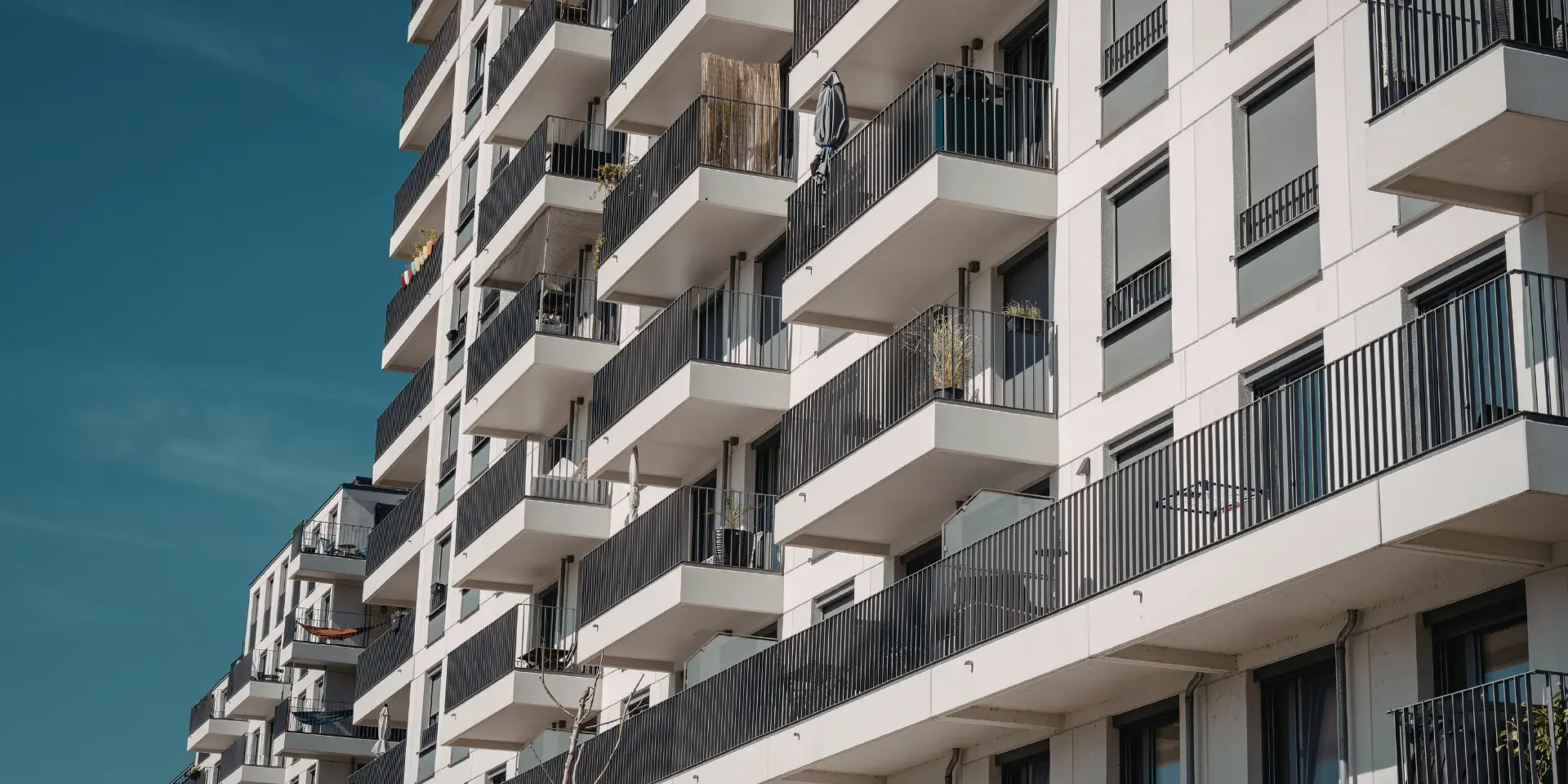
Multifamily construction in Los Angeles is driven by a constant need to maximize density while still delivering a high-quality living experience. As land becomes more limited and demand for housing continues to grow, developers are under increasing pressure to build efficiently without compromising tenant satisfaction.
The most successful multifamily projects achieve a careful balance between three key factors: density, privacy, and tenant experience. When these elements are aligned, properties not only perform well financially but also maintain strong occupancy and long-term value.
Modern design strategies allow developers to increase unit count while creating comfortable, livable spaces that appeal to today’s renters.
Understanding the Balance Between Density and Livability
Density is essential for maximizing revenue potential, but excessive density without thoughtful design can negatively impact tenant experience.
Crowded layouts, lack of privacy, and poorly designed shared spaces can lead to lower tenant satisfaction and higher turnover rates. Over time, this directly affects rental income and long-term ROI.
Developers must approach density strategically by ensuring that increased unit count does not come at the expense of comfort or usability. The goal is to create environments where tenants feel both connected and private within a shared building.
Smart Unit Layouts That Maximize Space
Efficient unit design is one of the most effective ways to balance density and livability. Instead of simply reducing unit size, developers focus on optimizing how space is used.
Well-designed units prioritize functionality, natural light, and flow. Open floor plans, integrated storage solutions, and thoughtful room proportions allow smaller units to feel larger and more comfortable.
Design strategies that improve efficiency include:
- open living and kitchen layouts
- large windows to enhance natural light
- built-in storage to reduce clutter
- flexible spaces that serve multiple functions
These features help maintain tenant satisfaction even as density increases.
Privacy Through Architectural Design
Privacy is a major concern in multifamily housing, particularly in dense urban environments.
Architects address this challenge through thoughtful building layouts and spatial separation. Unit positioning, corridor design, and window orientation all play a role in reducing direct sightlines between units.
Design solutions often include:
- staggered unit layouts to limit shared walls
- offset balconies that prevent direct views into neighboring units
- strategic window placement
- sound-insulating materials between units
These elements create a sense of personal space within a shared building environment.
Designing High-Quality Shared Spaces
Common areas are essential in multifamily developments, but they must be designed carefully to enhance—not disrupt—the tenant experience.
Well-planned shared spaces provide opportunities for social interaction while maintaining a sense of comfort and usability.
Effective shared amenities may include:
- rooftop terraces with seating areas
- fitness centers and wellness spaces
- co-working lounges for remote work
- landscaped courtyards
- secure and well-designed entry areas
The key is to create spaces that residents genuinely use, rather than simply adding amenities for marketing purposes.
Circulation and Flow Within the Building
Efficient circulation design helps reduce congestion and improve the overall living experience.
Hallways, staircases, elevators, and entry points must be designed to handle daily movement without creating bottlenecks or discomfort.
Design considerations include:
- minimizing long, narrow corridors
- providing multiple access points where possible
- separating service areas from resident circulation
- ensuring clear and intuitive wayfinding
Good circulation design improves both functionality and perceived space within the building.
Acoustic Comfort in Multifamily Living
Noise is one of the most common concerns in multifamily housing.
Without proper acoustic design, sound transfer between units and common areas can negatively affect tenant satisfaction.
Developers address this issue through:
- sound-insulating wall assemblies
- floor and ceiling systems that reduce impact noise
- strategic placement of mechanical systems
- separation of high-activity areas from quiet zones
Improving acoustic performance enhances comfort and contributes to long-term tenant retention.
Integrating Outdoor Spaces
Outdoor areas play a significant role in tenant experience, particularly in Southern California.
Even in dense developments, outdoor spaces can be incorporated through thoughtful design.
Options include:
- private balconies for individual units
- shared rooftop spaces
- landscaped courtyards
- outdoor work or relaxation areas
These spaces provide residents with access to fresh air and natural light, which improves overall livability.
Leveraging Technology for Better Living
Modern multifamily developments increasingly incorporate technology to enhance convenience and efficiency.
Smart building features can improve both the tenant experience and operational performance.
Common integrations include:
- controlled access systems
- smart thermostats and lighting
- package management systems
- high-speed connectivity infrastructure
These features appeal to modern renters and help differentiate properties in competitive markets.
Long-Term Value Through Thoughtful Design
Balancing density, privacy, and tenant experience is not just about initial leasing success—it also affects long-term property performance.
Buildings that prioritize livability tend to maintain:
- higher occupancy rates
- stronger tenant retention
- reduced maintenance issues
- better long-term asset value
Developers who invest in thoughtful design often achieve more stable and predictable returns over time.
Final Thoughts
Designing multifamily buildings in Los Angeles requires a careful balance between maximizing density and delivering a high-quality living experience. By focusing on efficient layouts, privacy strategies, well-designed shared spaces, and long-term functionality, developers can create properties that perform both financially and operationally.
As urban density continues to increase, the ability to design livable, tenant-focused environments will remain a key factor in successful multifamily development.
FAQs
Why is balancing density and privacy important in multifamily housing?
Balancing these elements ensures that buildings remain comfortable and attractive to tenants while still maximizing revenue potential.
How do architects improve privacy in dense developments?
Through strategic unit layouts, window placement, sound insulation, and separation of shared spaces.
What amenities are most valuable in multifamily buildings?
Common amenities include fitness centers, co-working spaces, rooftop areas, and well-designed outdoor spaces.
How does design impact tenant retention?
Better design improves comfort and usability, which encourages tenants to stay longer and reduces turnover.
Can high-density buildings still feel comfortable?
Yes. With thoughtful design, even high-density buildings can provide a strong sense of space, privacy, and livability.